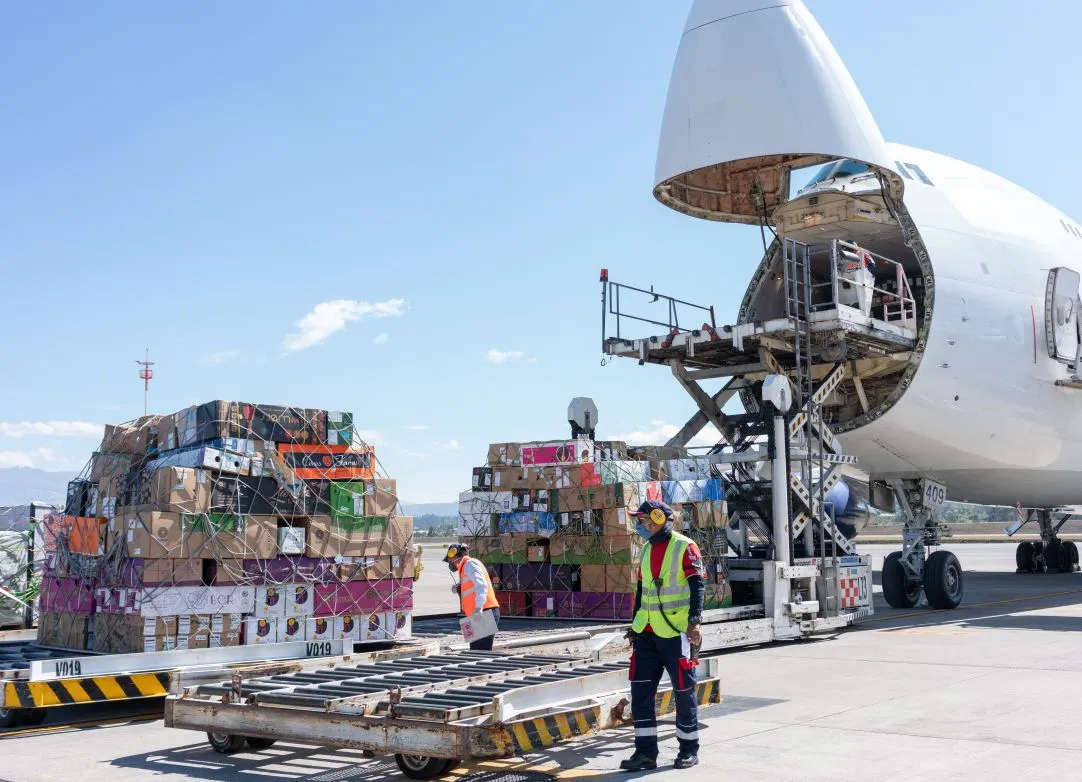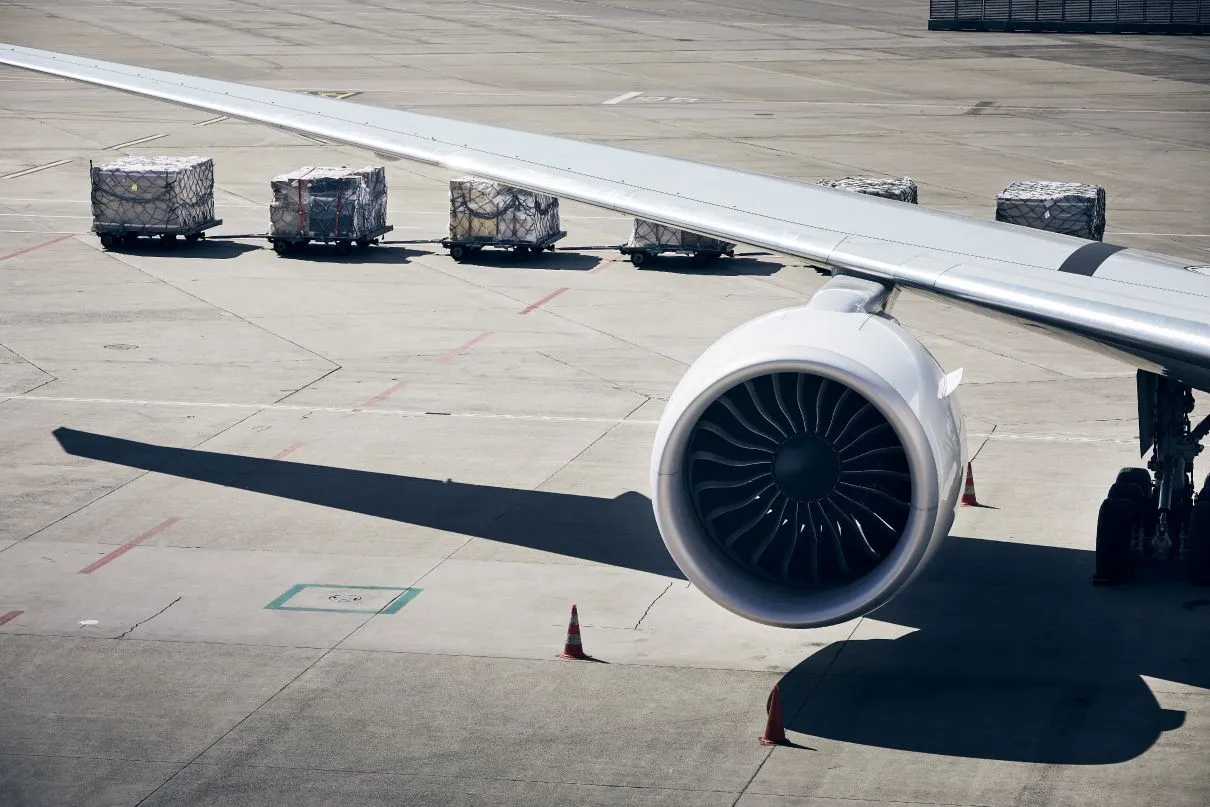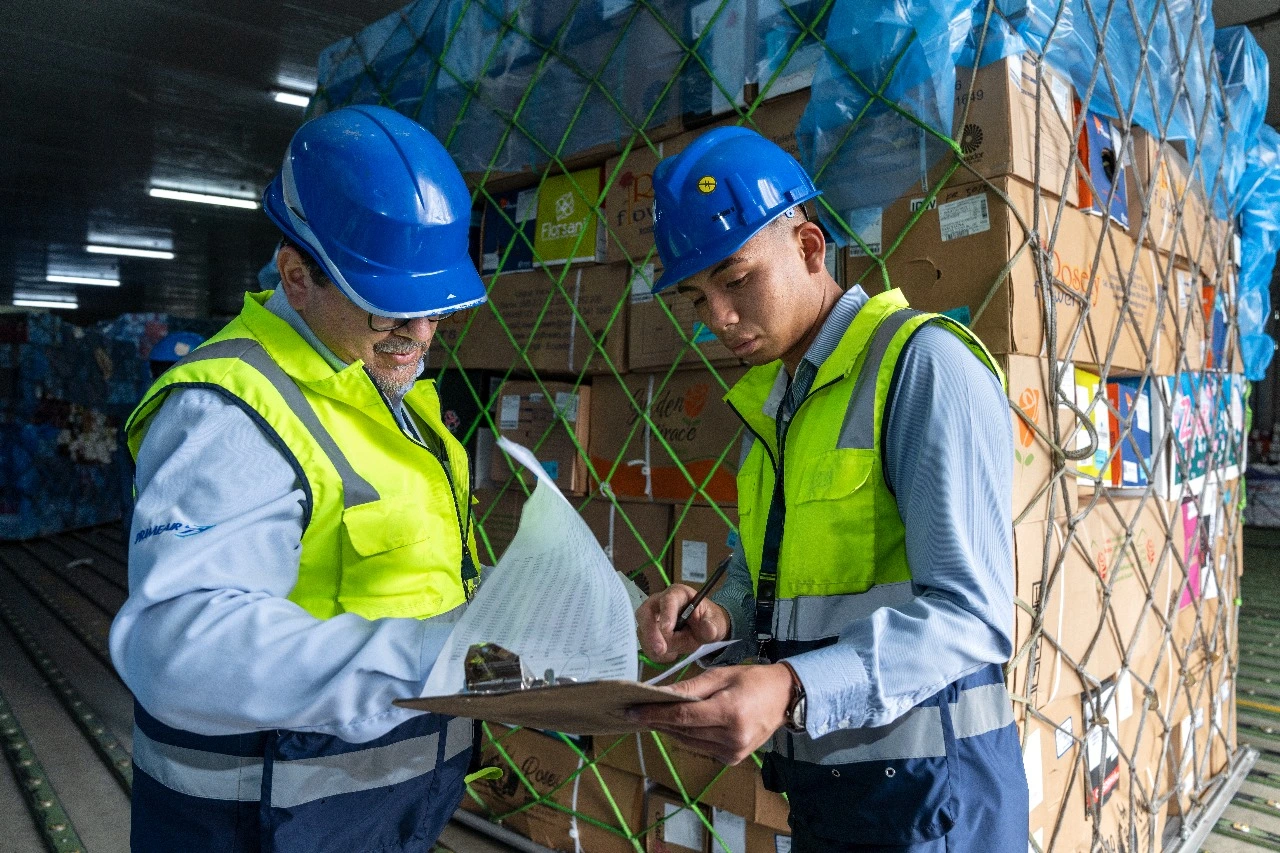
The air cargo industry is standing on the precipice of a significant transformation. As general freight rates stabilize following the volatile years of the mid-2020s, airlines and logistics providers are increasingly turning their attention toward specialized sectors to drive revenue. The strategy is shifting from pure volume to intelligent yield management, and the focal point of this strategy is the expansion of airline cargo growth.
For airlines, 2026 represents a pivotal year where technology, consumer demand, and manufacturing trends are converging to create lucrative opportunities in specialized logistics. Tapping into these airline cargo growth will be key. It is no longer enough to simply fill the belly of an aircraft; the goal is to fill it with freight that commands a premium.
The Shift from General Freight to Specialized Yields
For decades, the backbone of the air cargo industry was general freight—standard consumer goods, textiles, and manufacturing components. While this remains essential, the profit margins on general cargo are often thin and subject to intense competition from maritime shipping, especially as ocean freight reliability improves. However, airline cargo growth offer a different economic reality.
High-value cargo—which encompasses pharmaceuticals, aerospace components, advanced electronics, and luxury goods—requires speed, security, and precise handling. These are attributes that only air freight can consistently provide. As we move into 2026, the demand for these services is projected to outpace general cargo growth. Airlines that invest in the infrastructure and certifications to handle these goods will secure a competitive advantage. The conversation regarding airline cargo growth is not just about moving goods; it is about moving value safely and efficiently.
The Pharmaceutical Cold Chain Evolution
One of the most robust drivers of revenue in the air freight sector remains the pharmaceutical industry. The lessons learned during the global distribution of vaccines in previous years have permanently upgraded the cold chain infrastructure. However, the landscape for airline cargo growth within pharma is evolving beyond simple vaccines.
We are seeing a surge in personalized medicine, cell and gene therapies, and biologics. These are not just temperature-sensitive; they are often irreplaceable and incredibly expensive. The logistics required to move a single patient’s gene therapy treatment are far more complex than moving a pallet of aspirin. This complexity allows airlines to charge premium rates for “white glove” services.
According to industry data from organizations like the International Air Transport Association (IATA), the demand for special handling in pharma logistics continues to grow year over year. Airlines are responding by achieving CEIV Pharma certification, signaling to the market that they are ready for the rigorous demands of airline cargo growth. This sector requires strict adherence to temperature bands, active cooling containers, and real-time visibility, all of which justify higher freight rates.
The Semiconductor and AI Hardware Boom
The global technology race is fueling another massive opportunity for air cargo. As Artificial Intelligence (AI) becomes integrated into every facet of the global economy, the demand for high-performance computing chips (GPUs) and semiconductor manufacturing equipment has skyrocketed. These components are the definition of high value and low weight—the ideal profile for air freight.
The supply chains for these components are diversifying. Manufacturing is spreading from East Asia to new hubs in the US, Europe, and Southeast Asia. This fragmentation increases the need for rapid inter-continental transport of components. The specific logistics requirements for delicate silicon wafers and expensive processors are a cornerstone of airline cargo growth.
Unlike fast fashion or toys, a shipment of AI processors cannot sit in a seaport for weeks. The capital depreciation and the urgency of the tech market make air transport the only viable option. Airlines that partner with forwarders specializing in high-tech logistics will see their yields improve significantly. The push for airline cargo growth is essentially a bet on the continued digitization of the global economy.
Luxury E-Commerce and the “Vulnerable” Category
While general e-commerce drives volume, luxury e-commerce drives yield. We are witnessing a behavioral shift where consumers are comfortable purchasing high-end jewelry, limited-edition sneakers, and designer apparel online from cross-border sellers. These items fall into the category of “Vulnerable Cargo” (VUN)—goods that are high risk for theft but do not necessarily require armored transport like gold bullion (VAL).
The growth of airline cargo growth is heavily influenced by this direct-to-consumer luxury model. Brands are moving inventory closer to key markets, but they also rely on air cargo for replenishment and exclusive launches. The expectation is speed and absolute security.
Airlines are enhancing their security protocols on the ground to cater to this niche. Enhanced surveillance, secure storage cages, and tarmac security escorts are becoming standard service add-ons. By securing the chain of custody, airlines can capture a larger share of the luxury market. The trend for airline cargo growth indicates that security will become a marketable product feature, not just an operational necessity.
Aerospace and AOG (Aircraft on Ground) Logistics
It may seem meta, but the aviation industry itself is a major customer of air cargo. As global passenger travel returns to peak levels, airlines are expanding their fleets. This expansion requires a steady stream of spare parts, engines, and maintenance equipment. When an aircraft is grounded (AOG) due to a mechanical issue, every minute costs the airline money.
The logistics of moving an aircraft engine or a critical avionics part is a classic high-value niche. Speed is paramount. The forecast for airline cargo growth suggests an increase in AOG shipments as older fleets are retired and new, complex aircraft enter service. These parts are expensive and fragile, requiring specialized handling processes that justify premium freight charges.
For General Sales and Service Agents (GSSAs) and airlines, targeting the aerospace supply chain is a strategic move. It builds resilience against market fluctuations because maintenance schedules and emergency repairs are less correlated with consumer spending habits than retail goods. This stability is why aerospace remains a top contender among airline cargo growth.
Technology as the Enabler of Airline Cargo Growth
You cannot effectively sell high-value cargo capacity without the technology to back it up. In 2026, the differentiator is data. Shippers of high-value goods demand granular visibility. They want to know not just where their cargo is, but how it is feeling—what is the temperature, humidity, shock, and light exposure?
The integration of Internet of Things (IoT) devices into Unit Load Devices (ULDs) is making airline cargo growth more accessible. Real-time data loggers allow airlines to prove the integrity of the shipment upon arrival. This digital trust is essential. If an airline cannot provide data transparency, they will be locked out of the lucrative pharma and high-tech markets.
Furthermore, blockchain technology is finally maturing in logistics applications, providing immutable records of custody. This reduces insurance premiums and increases trust between shippers and carriers. As noted in supply chain analysis from sources like The Loadstar, digitization is the price of entry for premium logistics. The infrastructure built today will define the success of airline cargo growth.
Regional Shifts and Emerging Markets
The geography of high-value manufacturing is changing. We are seeing a “China Plus One” strategy where manufacturing centers are emerging in Vietnam, India, and Mexico. For airlines, this means new lane segments are becoming profitable.
Connecting these emerging manufacturing hubs with consumption centers in North America and Europe is a key strategy for capitalizing on airline cargo growth. Airlines with flexible networks that can adapt to these shifting trade flows will capture the most value. For example, lifting high-end electronics from Vietnam or automotive components from Mexico requires a network strategy that prioritizes agility.
Economic reports from the World Bank often highlight how diversification in supply chains leads to increased demand for transport services. As production becomes more distributed, the reliance on efficient air cargo networks increases, further bolstering the case for airline cargo growth.
The Role of GSSAs in Maximizing Niche Potential
Airlines cannot always exploit these niches alone. This is where a General Sales and Service Agent (GSSA) becomes a critical partner. A GSSA acts as the airline’s local expert, identifying regional opportunities and connecting the carrier with specialized forwarders.
To truly succeed in airline cargo growth, airlines need boots on the ground who understand the local regulatory environment for pharma, or the specific security needs of local tech manufacturers. A GSSA provides that targeted sales effort, allowing the airline to fill capacity with high-yield cargo without the overhead of maintaining a massive local sales force.
For companies like BlueX GSSA, the focus is on intelligence-driven sales. It is about matching the airline’s specific capabilities—be it temperature-controlled holds or secure storage—with the shippers who value those features most. The era of airline cargo growth is the era of the specialized sales agent.
Preparing for the Future
To prepare for 2026, airlines must audit their current capabilities. Do you have the right certifications? Is your ground handling staff trained for dangerous goods and valuable cargo? Is your digital interface ready to integrate with modern forwarders?
The investment required to enter these niches is significant, but the return on investment is clear. While general cargo rates race to the bottom, premium cargo rates remain resilient. The stability offered by airline cargo growth is the best hedge against economic volatility.
We are moving toward a bifurcated market. On one side, commoditized general freight moving on slim margins. On the other, a sophisticated, high-tech, high-touch service for goods that power the modern world. The winners in 2026 will be those who firmly plant their flag on the side of value.
Conclusion
The trajectory for the airline industry is clear: value over volume. The factors driving airline cargo growth—technological advancement, pharmaceutical innovation, and the decentralization of manufacturing—are structural, not temporary. By focusing on these specialized sectors, airlines can secure higher yields and build deeper, more strategic relationships with their customers.
As we approach 2026, the question for every cargo manager should not be “how do we fill the plane?” but “what is the most valuable cargo we can put on this plane?” The answer lies in mastering the complexities of these growing niches.
For more insights on global trade dynamics, resources like the World Trade Organization provide excellent data on shifting export trends. Understanding these macro shifts is the first step toward dominating the market for airline cargo growth.
Airlines that adapt now, investing in the right technology, certifications, and partnerships, will find that 2026 is not just another year of operations, but a year of unprecedented opportunity in the high-value cargo sector.