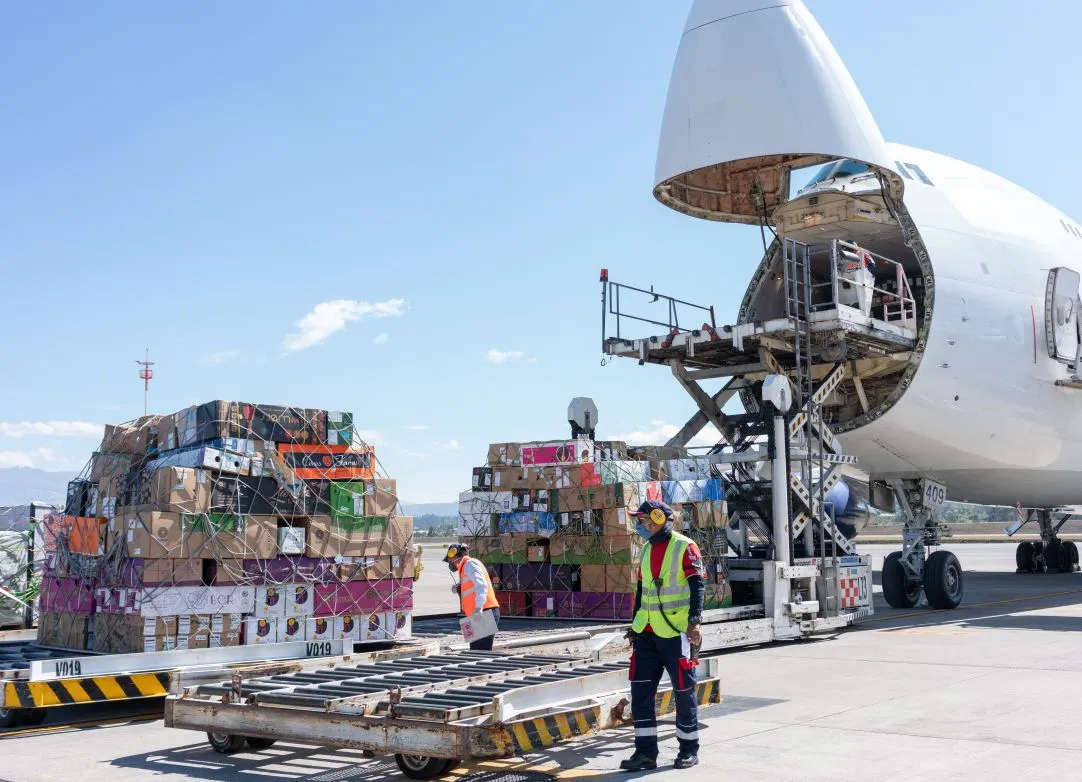
In today’s rapidly evolving logistics landscape, airlines face increasing pressure to expand their cargo operations while maintaining profitability. Growth alone is no longer enough—sustainable, data-driven expansion is what defines success. This is where air cargo growth becomes a strategic objective rather than a simple increase in volume.
Airlines that achieve consistent air cargo growth do so by aligning market intelligence, capacity planning, revenue management, and commercial execution into a unified strategy. Rather than operating in silos, successful carriers integrate these functions to create scalable and profitable cargo operations.
For airlines working with General Sales and Service Agents (GSSAs), air cargo growth becomes significantly more achievable. By leveraging local expertise and global alignment, GSSAs help airlines unlock new markets, improve load factors, and drive long-term revenue performance.
What Drives Air Cargo Growth Today?
The global air cargo market is influenced by several key trends, including:
- Expansion of e-commerce logistics
- Shifting global manufacturing hubs
- Increased demand for time-sensitive shipments
- Growth in specialized cargo segments
According to International Air Transport Association, air cargo demand continues to evolve alongside global trade patterns, making strategic planning essential for sustained growth.
Outbound reference:
https://www.iata.org/en/publications/economics/
Understanding these trends is critical for achieving air cargo growth in a competitive environment.
Leveraging Market Intelligence for Growth
As explored in previous BlueX insights, cargo market intelligence plays a foundational role in driving air cargo growth. Airlines must understand where demand is emerging and how market dynamics are shifting.
Market intelligence enables airlines to:
- Identify high-growth trade lanes
- Anticipate seasonal demand fluctuations
- Monitor competitor activity
- Align commercial strategies with real demand
Organizations like International Civil Aviation Organization highlight the importance of data-driven decision-making in aviation.
Outbound reference:
https://www.icao.int/airtransport
By using data effectively, airlines can position themselves ahead of market trends and accelerate air cargo growth.
Expanding Market Reach Through Representation
A key driver of air cargo growth is market presence. Airlines cannot grow in regions where they lack visibility or commercial engagement.
Through strong airline cargo representation, airlines can:
- Enter new markets quickly
- Build relationships with freight forwarders
- Increase booking consistency
- Strengthen brand presence
GSSAs provide the infrastructure and expertise needed to support expansion without the cost of building internal teams.
Optimizing Capacity for Sustainable Growth
Growth without efficiency leads to reduced profitability. As discussed in the cargo capacity strategy blog, airlines must ensure that capacity is aligned with demand.
Effective capacity management supports air cargo growth by:
- Maximizing load factors
- Reducing unused space
- Prioritizing high-yield shipments
- Adapting to seasonal demand
This ensures that growth translates into revenue rather than inefficiency.
Driving Revenue Through Smart Pricing
Revenue management is a critical component of air cargo growth. Airlines must balance competitive pricing with profitability.
Through strong cargo revenue management, airlines can:
- Adjust pricing dynamically
- Protect yields during high demand
- Capture premium cargo opportunities
- Improve revenue per kilo
Organizations such as The International Air Cargo Association emphasize the importance of coordinated commercial strategies.
Outbound reference:
https://tiaca.org/knowledge
Strengthening Sales Execution
Growth ultimately depends on execution. As highlighted in the cargo sales optimization blog, sales teams play a crucial role in converting strategy into results.
Strong sales execution supports air cargo growth by:
- Increasing market penetration
- Improving customer relationships
- Securing consistent cargo flow
- Targeting high-value opportunities
GSSAs ensure that sales strategies are implemented effectively across all markets.
Investing in Digital Transformation
Technology is transforming how airlines achieve air cargo growth. Digital tools enable faster decision-making, better forecasting, and improved customer experience.
Digitalization supports growth by:
- Enhancing demand visibility
- Improving pricing accuracy
- Streamlining booking processes
- Enabling real-time adjustments
According to Statista, digital transformation is a major driver of efficiency in logistics.
Outbound reference:
https://www.statista.com/topics/4893/air-cargo/
Building Long-Term Growth Strategies
Sustainable air cargo growth requires a long-term approach. Airlines must continuously refine their strategies based on market conditions and performance data.
This includes:
- Regular performance reviews
- Continuous market analysis
- Strategic partnerships with GSSAs
- Investment in analytics and technology
How BlueX GSSA Drives Airline Growth
At BlueX GSSA, growth is approached as a strategic process rather than a short-term objective. By integrating market intelligence, capacity planning, revenue management, and sales execution, BlueX helps airlines achieve sustainable air cargo growth.
Through strong regional presence and data-driven strategies, BlueX enables airlines to expand their reach, improve performance, and capture new opportunities.
Conclusion
In a competitive global market, air cargo growth is not achieved by chance—it is the result of strategic planning, data-driven decision-making, and effective execution.
Airlines that align intelligence, capacity, pricing, and sales within a unified framework are best positioned to achieve sustainable growth. With the support of experienced GSSA partners, this growth becomes scalable, efficient, and profitable.