Latin America is emerging as one of the most promising regions in global air cargo. Driven by expanding exports, growing e-commerce activity, infrastructure investments, and increasing international trade, the region is attracting attention from airlines seeking new opportunities for revenue growth. As global supply chains continue to diversify, Latin America cargo markets are becoming increasingly important for carriers looking to strengthen their networks and capture high-value traffic flows.
From fresh produce and pharmaceuticals to automotive components and technology products, Latin America plays a critical role in connecting manufacturers, exporters, and consumers across the globe. This dynamic environment creates significant opportunities for airlines capable of understanding regional demand patterns and developing effective commercial strategies.
For airlines, GSSAs, and logistics providers, the future of Latin America cargo represents more than regional growth—it represents a strategic pathway toward long-term competitiveness in global air freight.
Why Latin America Matters in Global Air Cargo
The importance of Latin America cargo has grown considerably in recent years due to several structural trends.
These include:
- Diversification of global supply chains
- Expansion of nearshoring initiatives
- Increased agricultural exports
- Growth of cross-border e-commerce
- Rising manufacturing activity
Countries throughout the region continue to strengthen trade relationships with North America, Europe, and Asia, creating greater demand for air freight services.
According to International Air Transport Association, Latin America remains a strategically important region for global cargo growth due to its export-driven economies and expanding logistics infrastructure. https://www.iata.org/en/publications/economics/
As trade volumes continue to increase, airlines have an opportunity to expand their presence across key cargo corridors.
The Rise of Export-Driven Cargo Markets
One of the strongest drivers of Latin America cargo growth is the region’s export sector.
Latin America is a major exporter of:
- Fresh flowers
- Fruits and vegetables
- Seafood
- Pharmaceuticals
- Industrial products
- Automotive parts
These industries depend heavily on air cargo to reach international markets quickly and reliably.
For airlines, export-focused markets generate consistent demand and provide opportunities to develop long-term customer relationships.
Countries such as Colombia, Ecuador, Chile, Peru, Mexico, and Brazil continue to play critical roles in global supply chains.
Fresh Products Continue to Drive Demand
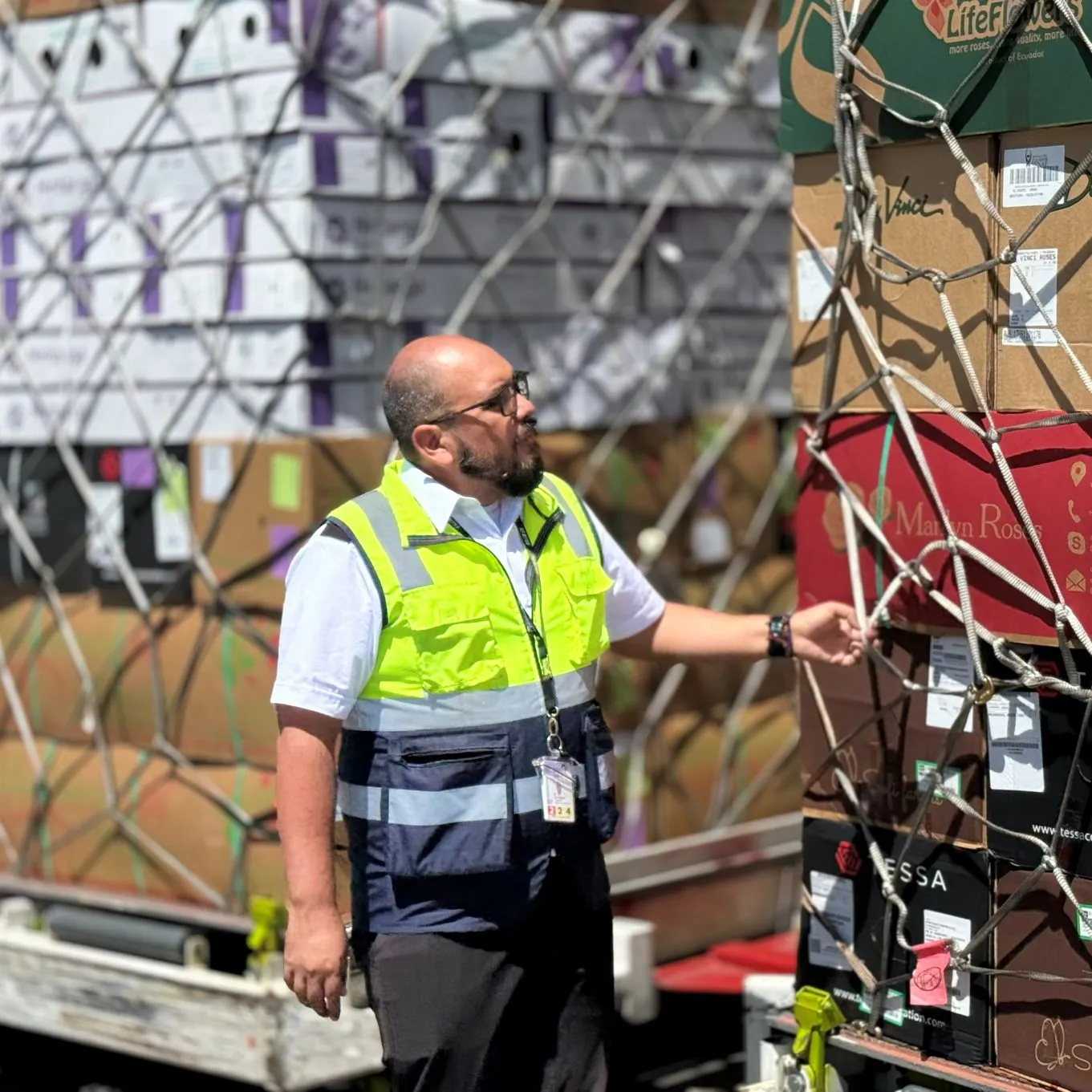
Perishable products remain one of the most important segments within Latin America cargo.
Exports such as:
- Flowers
- Berries
- Avocados
- Seafood
- Tropical fruits
require fast transportation and precise logistics execution.
Air cargo remains the preferred transportation mode because it allows exporters to preserve freshness while reaching distant markets quickly.
The success of these industries highlights the importance of efficient cargo networks and specialized handling capabilities.
E-Commerce Is Reshaping Regional Logistics
The rapid growth of e-commerce is transforming Latin America cargo demand.
Consumers increasingly expect:
- Faster delivery times
- Cross-border purchasing options
- Improved shipment visibility
As online retail expands throughout the region, airlines are seeing increased demand for:
- Express cargo
- Small parcel shipments
- Time-sensitive logistics services
This trend creates opportunities for carriers capable of supporting modern e-commerce supply chains.
According to Statista, e-commerce continues to be one of the fastest-growing sectors throughout Latin America. https://www.statista.com/
The resulting cargo volumes are helping reshape regional transportation networks.
Nearshoring Creates New Opportunities
Another major driver of Latin America cargo growth is the expansion of nearshoring.
Many manufacturers are relocating production closer to North American markets in order to:
- Reduce supply chain risks
- Improve delivery times
- Increase flexibility
- Lower transportation costs
Mexico has emerged as one of the primary beneficiaries of this trend, while several Central and South American countries are also attracting investment.
As manufacturing activity grows, so does demand for:
- Components
- Industrial equipment
- Time-sensitive freight
This creates significant opportunities for airlines serving regional trade lanes.
Specialized Air Cargo Is Expanding
The demand for Latin America cargo is increasingly being driven by specialized sectors.
These include:
- Pharmaceuticals
- EV batteries
- Aerospace components
- High-value electronics
- Medical equipment
Our specialized air cargo solutions article explores how these high-value segments are generating premium yields and creating new growth opportunities for airlines.
As Latin America continues to attract investment in advanced manufacturing and healthcare, specialized cargo demand is expected to increase further.
Market Intelligence Supports Growth
Successfully expanding within Latin America cargo markets requires strong market intelligence.
Airlines must understand:
- Regional demand patterns
- Trade flows
- Seasonal fluctuations
- Competitive dynamics
This intelligence helps airlines identify opportunities and allocate resources more effectively.
Our cargo market intelligence insights article explains how data-driven planning helps airlines transform information into profitable commercial strategies.
Without market visibility, airlines risk missing high-growth opportunities.
Capacity Planning for Emerging Markets
As demand grows, airlines must ensure that capacity is aligned with market opportunities.
Effective Latin America cargo growth depends on:
- Route optimization
- Aircraft utilization
- Demand forecasting
- Strategic scheduling
Our cargo capacity optimization and capacity planning strategies articles explain how airlines can improve performance through smarter capacity management.
Aligning supply with demand remains essential for sustainable growth.
The Strategic Role of GSSAs
GSSAs play a critical role in helping airlines capitalize on Latin America cargo opportunities.
Their contributions include:
- Market development
- Customer acquisition
- Sales execution
- Freight forwarder relationships
- Commercial intelligence
By leveraging local expertise, airlines can enter new markets more efficiently while reducing risk.
This aligns closely with concepts discussed in our GSSA cargo markets strategies article.
Strong local representation often determines the success of market expansion efforts.
Cargo Revenue Opportunities
One of the most attractive aspects of Latin America cargo is its potential to support long-term revenue growth.
The region offers:
- Diverse cargo sectors
- High-value exports
- Growing consumer markets
- Increasing trade activity
By targeting profitable industries and optimizing commercial strategies, airlines can improve both load factors and yields.
Our air cargo revenue strategies article explores how airlines are combining pricing, forecasting, and market intelligence to maximize profitability.
Latin America presents significant opportunities for carriers willing to invest strategically.
Digital Transformation and Visibility
Technology continues to improve how airlines manage Latin America cargo operations.
Modern cargo customers expect:
- Real-time tracking
- Shipment visibility
- Automated notifications
- Digital documentation
Airlines investing in digital capabilities can improve customer satisfaction while increasing operational efficiency.
Technology also supports better forecasting, pricing, and network planning.
Network Expansion and Connectivity
Strong connectivity remains a key requirement for Latin America cargo growth.
Airlines must continuously evaluate:
- New trade lanes
- Emerging markets
- Transit times
- Regional hubs
Through effective cargo network optimization strategies, carriers can improve connectivity and strengthen their competitive position.
Network expansion remains one of the most powerful growth tools available to airlines.
Challenges Airlines Must Address
While opportunities are significant, airlines must also navigate several challenges within Latin America cargo markets.
These include:
- Infrastructure limitations
- Regulatory complexity
- Economic fluctuations
- Capacity constraints
- Competitive pressures
Airlines that successfully address these challenges through strategic planning and strong partnerships will be best positioned for long-term success.
Organizations such as The International Air Cargo Association continue to emphasize collaboration and innovation as key drivers of industry growth. https://tiaca.org/knowledge
How BlueX GSSA Supports Latin America Growth
At BlueX GSSA, Latin America is viewed as one of the most strategic growth regions in the global cargo industry. Through market intelligence, commercial expertise, and local representation, BlueX helps airlines develop effective Latin America cargo strategies that support long-term success.
This includes:
- Market analysis
- Route development support
- Customer acquisition
- Revenue optimization
- Commercial performance management
By combining regional expertise with global airline objectives, BlueX helps carriers capture emerging opportunities and strengthen their presence throughout Latin America.
Conclusion
The future of Latin America cargo is being shaped by expanding trade, growing exports, increasing e-commerce activity, and the rise of specialized logistics sectors. As supply chains evolve and new economic opportunities emerge, the region is becoming increasingly important to airlines seeking sustainable growth.
By investing in market intelligence, network optimization, capacity planning, and strategic partnerships, airlines can position themselves to benefit from one of the most dynamic cargo regions in the world.
For carriers looking to expand their global reach, Latin America offers more than growth potential—it offers a strategic opportunity to build stronger networks, improve profitability, and participate in the future of global air cargo.