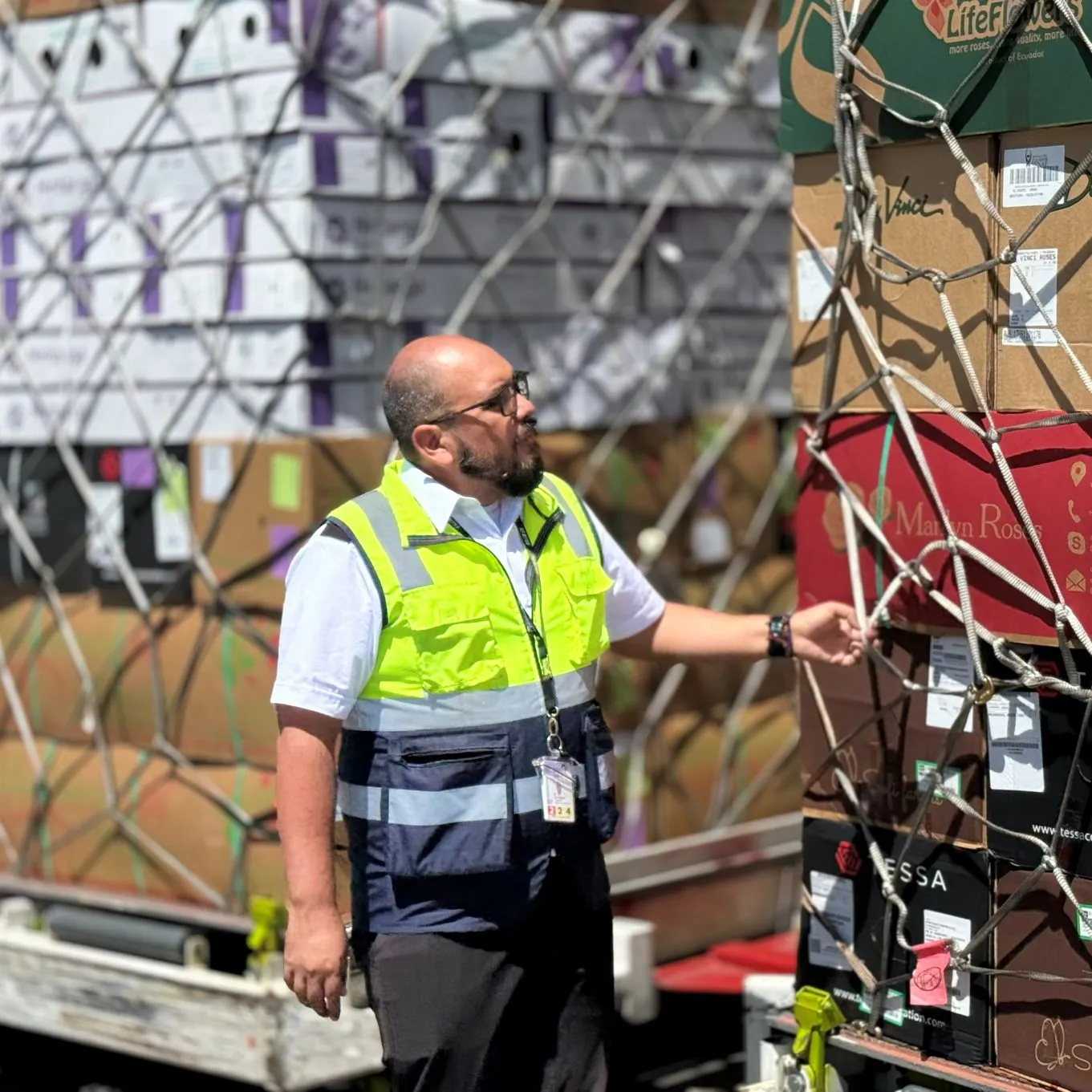
The global air cargo industry has become increasingly competitive, requiring airlines to maximize revenue, improve operational efficiency, and expand into new markets while maintaining exceptional customer service. As trade flows become more dynamic and customer expectations continue to evolve, airlines are relying more heavily on specialized commercial partners to strengthen their market presence. This is where GSSA complete services have become an essential part of successful airline cargo strategies.
General Sales and Service Agents (GSSAs) have evolved from traditional sales representatives into strategic business partners that support airlines across multiple commercial functions. Modern GSSA complete services now include market intelligence, revenue optimization, customer development, capacity planning, digital reporting, and strategic market expansion.
For airlines looking to improve profitability without investing heavily in local infrastructure, GSSA partnerships provide an efficient and scalable solution. Understanding how these services work—and how they contribute to airline success—is critical for anyone involved in today’s air cargo industry.
What Are GSSA Services?
GSSA services encompass the commercial representation and support functions that General Sales and Service Agents provide on behalf of airlines in specific markets or regions.
Traditionally, GSSAs focused primarily on cargo sales and customer relationships. Today, however, their responsibilities have expanded considerably.
Modern GSSA complete services typically include:
- Cargo sales representation
- Customer relationship management
- Freight forwarder development
- Market intelligence
- Revenue optimization
- Capacity planning support
- Route development
- Marketing support
- Commercial reporting
- Business development
Organizations such as International Air Transport Association continue to recognize the growing importance of commercial partnerships in strengthening airline cargo performance.
As airlines continue expanding globally, these services have become increasingly valuable.
Why Airlines Use GSSA Services
Operating commercial offices in every country can be expensive and difficult to manage. Airlines often require local expertise without the overhead associated with establishing permanent offices.
This is where GSSA complete services provide significant value.
Benefits include:
- Immediate market access
- Reduced operational costs
- Established customer relationships
- Local commercial expertise
- Faster market expansion
- Flexible business models
Rather than building infrastructure from the ground up, airlines can leverage experienced GSSA organizations that already understand local market dynamics.
This approach allows airlines to focus on network development and operational excellence while maintaining strong commercial performance.
Cargo Sales and Customer Development
One of the core components of GSSA complete services remains cargo sales.
Experienced GSSAs work closely with:
- Freight forwarders
- Logistics providers
- Exporters
- Importers
- Specialized cargo customers
Their objective is to maximize bookings while developing long-term customer relationships that generate sustainable revenue.
This commercial approach is explored further in our cargo sales optimization strategies article, where sales execution directly contributes to airline profitability.
Strong customer relationships remain one of the greatest competitive advantages in air cargo.
Market Intelligence and Business Analytics
Modern GSSA services extend well beyond sales activities.
Today, GSSAs provide airlines with valuable commercial intelligence, including:
- Trade lane analysis
- Competitor monitoring
- Customer demand trends
- Pricing insights
- Industry developments
These analytics help airlines make informed commercial decisions based on real-time market conditions.
Our cargo market intelligence insights article explains how airlines convert market intelligence into measurable revenue growth.
Data-driven decision-making has become one of the defining characteristics of successful cargo organizations.
Revenue Optimization
Maximizing revenue requires more than increasing shipment volume.
Effective GSSA services help airlines:
- Improve yield management
- Prioritize profitable cargo
- Optimize customer mix
- Support pricing strategies
- Increase booking quality
These initiatives align closely with our cargo revenue management systems and air cargo revenue strategies articles.
By balancing pricing, demand, and customer value, airlines can achieve stronger financial performance.
Capacity Planning and Optimization
Capacity represents one of an airline’s most valuable assets.
Through effective GSSA complete services, airlines receive commercial support that improves:
- Load factors
- Capacity allocation
- Route utilization
- Seasonal planning
- Network efficiency
This commercial intelligence enables airlines to align capacity with actual market demand.
Our cargo capacity optimization and capacity planning strategies articles explain why capacity decisions must be closely linked to commercial strategy.
Better planning leads directly to improved profitability.
Strategic Market Expansion
Expanding into new regions requires more than simply launching new routes.
Strong GSSA complete services provide airlines with:
- Local market expertise
- Customer introductions
- Competitive analysis
- Sales infrastructure
- Commercial representation
This allows airlines to enter emerging markets more efficiently while reducing investment risk.
Our GSSA cargo markets strategies article explores how experienced GSSAs accelerate successful market expansion.
Local expertise often determines the speed and success of commercial growth.
Specialized Cargo Expertise
The fastest-growing cargo sectors increasingly involve specialized freight.
Modern GSSA complete services support industries such as:
- Pharmaceuticals
- Electric vehicle batteries
- Aerospace
- Luxury goods
- Dangerous goods
These sectors require specialized knowledge, regulatory compliance, and strong customer relationships.
Our specialized cargo niches and specialized air cargo solutions articles explain why these markets generate higher yields and stronger customer loyalty.
Experienced GSSAs help airlines develop these premium cargo opportunities.
Digital Transformation
Technology has significantly enhanced the effectiveness of modern GSSA complete services.
Today’s commercial teams rely on:
- CRM systems
- Business intelligence dashboards
- Performance analytics
- Forecasting tools
- Customer reporting platforms
According to Statista, digital transformation continues to reshape global logistics and aviation industries.
Digital tools improve transparency, reporting accuracy, and commercial responsiveness.
Demand Forecasting
Predictive analytics has become an important component of GSSA complete services.
Through advanced cargo demand forecasting, airlines can:
- Predict seasonal demand
- Improve pricing
- Allocate capacity
- Reduce operational uncertainty
Forecasting enables airlines to make proactive commercial decisions instead of reacting to changing market conditions.
As predictive technologies improve, forecasting will become even more valuable.
Network Optimization
Successful cargo operations require efficient global networks.
Modern GSSA complete services contribute to:
- Route performance analysis
- Trade lane optimization
- Market prioritization
- Customer alignment
- Capacity balancing
This supports the concepts explored in our cargo network optimization strategies article.
Commercial intelligence and operational planning must work together to maximize network performance.
Airline Representation Beyond Sales
One of the biggest misconceptions about GSSA complete services is that they focus exclusively on selling cargo.
In reality, today’s GSSAs also contribute to:
- Commercial strategy
- Brand representation
- Customer service
- Industry networking
- Performance reporting
- Market development
Our airline representation strategies article explains how the role of GSSAs has evolved into strategic partnership.
This broader role creates greater value for airlines across every stage of commercial development.
Long-Term Strategic Partnerships
The strongest airline-GSSA relationships are built on long-term collaboration rather than transactional sales activities.
Successful GSSA complete services support:
- Sustainable growth
- Revenue improvement
- Customer retention
- Commercial innovation
- Strategic planning
Organizations such as The International Air Cargo Association continue to emphasize collaboration as a major driver of industry success.
Long-term partnerships allow airlines and GSSAs to continuously refine strategies and respond effectively to market changes.
How BlueX GSSA Delivers Strategic Value
At BlueX GSSA, commercial representation goes beyond traditional cargo sales. BlueX delivers comprehensive GSSA complete services designed to improve airline performance through market intelligence, customer development, revenue optimization, and strategic planning.
BlueX supports airline partners through:
- Cargo sales management
- Market intelligence analysis
- Customer acquisition
- Capacity optimization
- Revenue growth strategies
- Network development
- Commercial reporting
- Long-term business planning
By combining local market expertise with global cargo experience, BlueX helps airlines strengthen their competitive position and achieve sustainable growth.
Conclusion
As the air cargo industry becomes increasingly competitive and data-driven, GSSA complete services have evolved into an essential component of successful airline commercial strategy. Modern GSSAs provide far more than cargo sales—they deliver intelligence, planning, customer relationships, market expansion, and revenue optimization that directly influence airline profitability.
Airlines that leverage experienced GSSA partners gain access to local expertise, commercial flexibility, and strategic capabilities that would otherwise require significant internal investment.
As global trade continues to evolve and customer expectations become more sophisticated, comprehensive GSSA complete services will remain a critical competitive advantage for airlines seeking sustainable growth, stronger market presence, and long-term commercial success.