Introduction
In today’s highly competitive aviation landscape, airlines are no longer focused solely on moving cargo—they are focused on maximizing profitability from every shipment. Rising operational costs, fluctuating demand, and increasing competition have forced airlines to rethink how they generate income. As a result, air cargo revenue has become a central strategic priority, driven by data, technology, and integrated commercial execution.
Airlines that successfully increase air cargo revenue are those that align market intelligence, pricing strategies, capacity planning, and sales execution into a unified system. Rather than operating in silos, they build interconnected strategies that allow them to respond quickly to market changes and capture high-value opportunities. This evolution is not just a trend—it is a necessity for long-term sustainability.
The Growing Importance of Air Cargo Revenue
Air cargo has evolved into a critical revenue stream for airlines, particularly in times of market disruption. According to International Air Transport Association, cargo continues to play a key role in airline financial performance. As global trade patterns shift, airlines must adapt their strategies to maintain and grow air cargo revenue. This requires a deeper understanding of demand, customer behavior, and competitive dynamics. Airlines that prioritize strategic planning are better positioned to capitalize on opportunities and sustain long-term growth.
Data-Driven Decision Making
Market Intelligence as a Foundation
One of the most important drivers of air cargo revenue today is data. Airlines are leveraging advanced analytics to understand demand patterns, monitor competitor activity, and optimize pricing decisions. This approach, explored in our article on cargo market intelligence insights, allows airlines to anticipate changes rather than react to them. By identifying emerging trade lanes and seasonal trends, carriers can position capacity where it generates the highest return.
Real-Time Analytics
Real-time data allows airlines to adjust strategies dynamically. From pricing to route planning, the ability to make fast, informed decisions directly impacts air cargo revenue. Airlines that invest in analytics platforms gain a competitive advantage by improving accuracy and responsiveness.
Pricing Strategies That Maximize Revenue
Dynamic Pricing Models
Pricing is a key lever in increasing air cargo revenue. Airlines are moving away from static pricing models and adopting dynamic systems that adjust rates based on real-time demand. This ensures that capacity is sold at optimal rates while maintaining competitiveness in the market. This is further explained in our cargo revenue management systems, where pricing becomes a strategic tool for profitability.
Yield Optimization
As explained in our cargo revenue management systems blog, effective pricing is not about offering the lowest rate—it is about maximizing yield. Airlines must balance volume and profitability to ensure sustainable air cargo revenue growth.
Capacity Utilization and Efficiency
Aligning Supply with Demand
Aircraft space is a perishable asset, and unused capacity represents lost revenue. Through capacity planning strategies, airlines can align supply with demand, improving load factors and reducing inefficiencies.
Strategic Allocation
By prioritizing high-yield shipments and adjusting allocations based on forecasts, airlines can significantly increase air cargo revenue without expanding fleet capacity.
Forecasting and Predictive Planning
Demand Forecasting
Accurate cargo demand forecasting allows airlines to predict future demand and make proactive decisions. This includes adjusting routes, pricing, and sales strategies before market changes occur.
Reducing Risk
Forecasting minimizes uncertainty and helps airlines maintain stable air cargo revenue even in volatile market conditions.
Sales Execution and Market Penetration
Strengthening Sales Strategies
Sales execution is where strategy becomes reality. Airlines are increasingly focusing on cargo sales optimization strategies to improve booking quality and customer relationships.
Customer Engagement
By aligning sales teams with revenue objectives, airlines ensure that every booking contributes to increasing air cargo revenue.
The Role of GSSAs in Revenue Growth
Local Market Expertise
Through airline cargo representation, GSSAs provide local expertise and direct access to customers, helping airlines secure consistent cargo flow.
Revenue Impact
Their proximity to freight forwarders allows them to identify opportunities and respond quickly to market changes, directly contributing to higher air cargo revenue.
Digital Transformation in Air Cargo
Technology as a Growth Driver
Digital transformation is reshaping how airlines maximize air cargo revenue. Advanced platforms enable real-time data analysis, automated pricing, and improved customer interaction.
Industry Trends
According to Statista, digitalization is one of the fastest-growing trends in air cargo logistics. These technologies allow airlines to streamline operations and improve decision-making.
Network Optimization and Route Performance
Evaluating Route Efficiency
Airlines are continuously evaluating route performance to ensure networks align with demand. This is detailed in our cargo network optimization article, ensuring every route contributes to revenue growth.
Maximizing Network Value
Optimized networks allow airlines to increase efficiency and improve air cargo revenue across all operations.
Collaboration Across the Supply Chain
Industry Partnerships
Collaboration between airlines, freight forwarders, and logistics partners is essential for maximizing air cargo revenue.
Global Perspective
Organizations like The International Air Cargo Association emphasize the importance of collaboration. Strong partnerships improve service reliability and customer satisfaction.
Specialized Cargo and High-Value Segments
Premium Cargo Opportunities
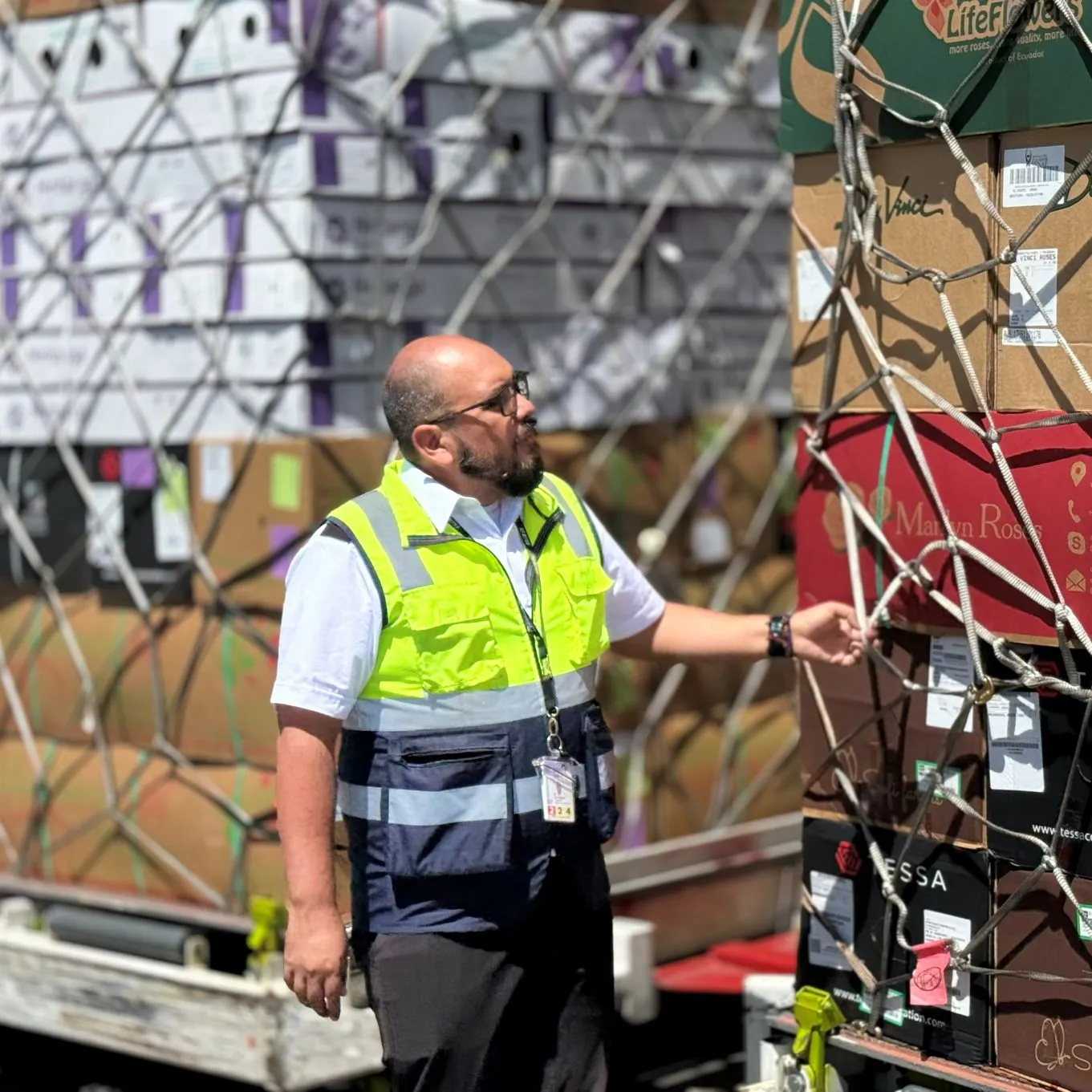
Airlines are focusing on high-value segments such as pharmaceuticals, perishables, and e-commerce to increase air cargo revenue.
Competitive Differentiation
Specialized handling capabilities allow airlines to attract premium customers and strengthen their market position.
Integrated Commercial Strategy
Connecting All Elements
The integration of data, pricing, capacity, sales, and technology defines modern air cargo strategy. Airlines that combine these elements create a system that drives consistent air cargo revenue growth.
Strategic Alignment
This approach ensures that every aspect of the operation contributes to overall profitability.
Conclusion
Maximizing revenue in air cargo requires a holistic approach that goes beyond traditional operations. Airlines must leverage data, optimize pricing, align capacity, and execute strong sales strategies to succeed in today’s competitive environment. By integrating these elements and working with experienced partners, airlines can unlock new opportunities and achieve sustainable growth. As the industry continues to evolve, those that prioritize innovation, collaboration, and strategic execution will be best positioned to lead. In this new era of aviation, air cargo revenue is not just a metric—it is the result of a well-executed commercial strategy that transforms complexity into competitive advantage.