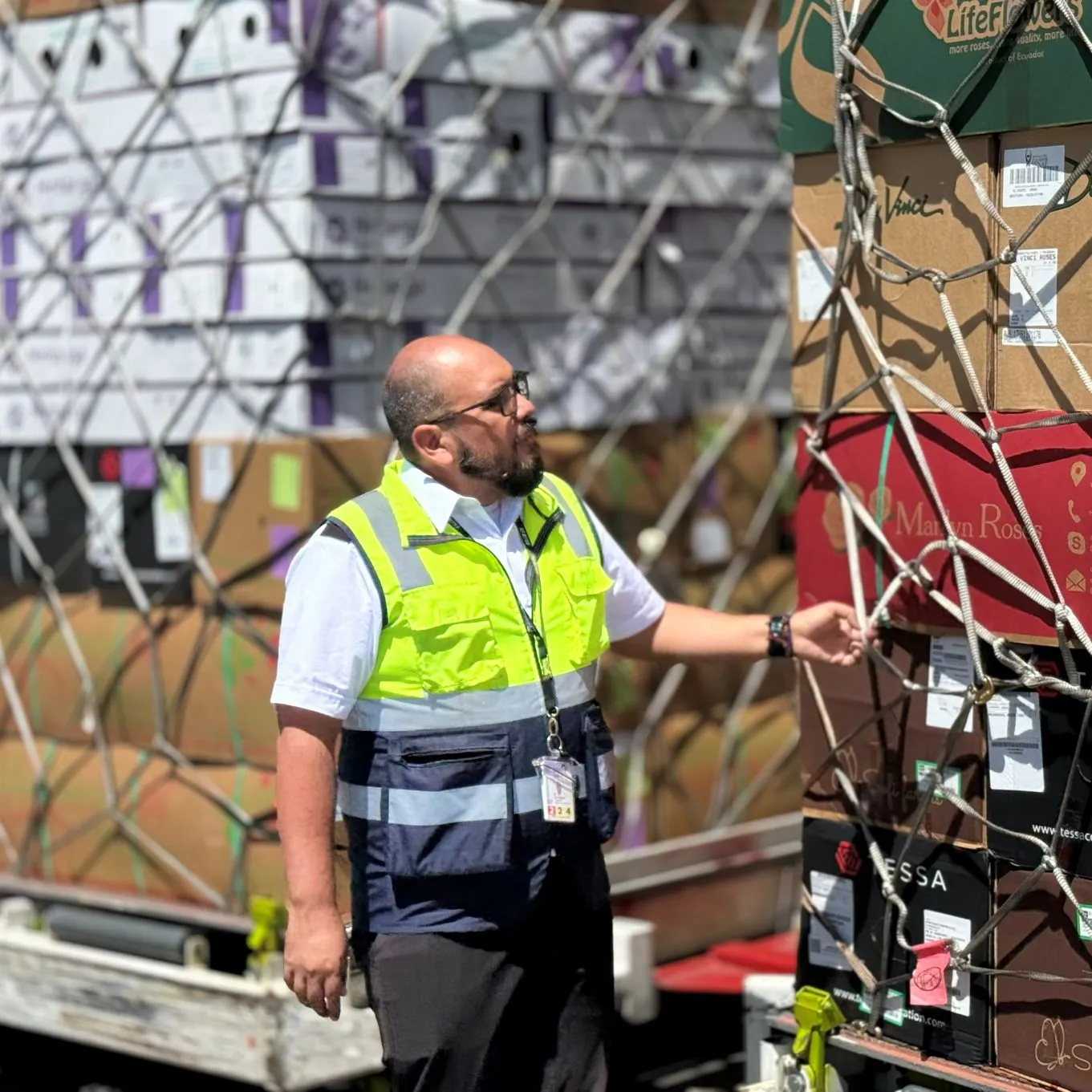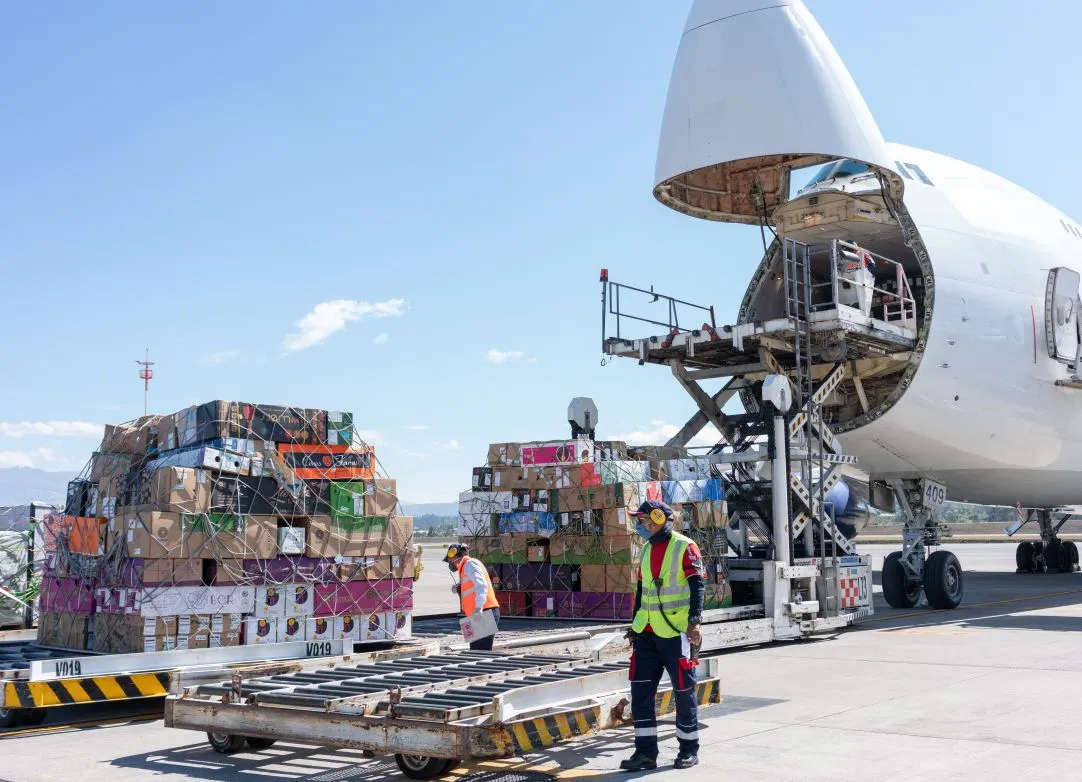
Not every air cargo shipment can move through an airport under the same conditions — that’s where specialized cargo handling makes all the difference.
Specialized cargo handling is essential for many types of shipments. Vaccines may require tightly controlled temperatures. Fresh seafood and flowers can lose commercial value when exposed to heat for too long. High-value electronics may require additional security measures. Certain dangerous goods demand specific storage, segregation, documentation, and handling procedures. Without the right specialized cargo handling processes in place, these shipments risk damage, loss of value, or even serious safety hazards.
For these shipments, transportation quality depends on much more than flight time.
The hours spent inside warehouses, cold rooms, staging areas, and airport facilities can be just as important as the time spent in the aircraft.
This is why specialized cargo handling has become an essential part of modern air cargo operations.
Airlines, ground handling providers, warehouses, freight forwarders, and General Sales and Service Agents (GSSAs) must understand the requirements surrounding sensitive cargo and communicate effectively across every operational handoff.
Cold storage and security are particularly important because they protect two fundamental elements of specialized cargo: product integrity and shipment value.
As demand for pharmaceuticals, perishables, high-value goods, and other specialized commodities continues to expand, airlines capable of supporting these requirements can differentiate themselves in increasingly competitive cargo markets.
What Is Specialized Cargo Handling?
Specialized cargo handling refers to the processes, infrastructure, procedures, and coordination required to transport commodities that cannot be treated like standard general cargo.
Requirements depend on the commodity.
Examples of specialized air cargo include:
- Pharmaceuticals
- Vaccines
- Biotechnology products
- Fresh produce
- Flowers
- Seafood
- High-value electronics
- Luxury goods
- Live animals
- Dangerous goods
- Sensitive industrial components
Some require temperature control.
Others require enhanced security, restricted access, special packaging, regulatory compliance, segregation, monitoring, or priority handling.
In many cases, several requirements apply simultaneously.
The International Air Transport Association (IATA) maintains industry standards and programs covering numerous specialized cargo handling categories, helping airlines and logistics stakeholders establish consistent handling practices.
Explore IATA Special Cargo Resources
Effective specialized cargo handling therefore begins with understanding exactly what the shipment requires before it reaches the airport.
Why Ground Operations Are Critical for Sensitive Cargo
Air transportation is often chosen because of speed.
However, the shipment does not remain inside the aircraft throughout its journey.
Cargo may spend significant time:
- Awaiting acceptance
- Inside export warehouses
- In temperature-controlled storage
- During ULD build-up
- Awaiting aircraft loading
- During transfers
- Inside import facilities
- Awaiting customer collection
Every transition creates potential exposure.
Specialized cargo handling is critical when transporting temperature-sensitive shipments. Even if a shipment is maintained at the correct temperature during flight, a lapse in specialized cargo handling during ground operations can result in a damaging temperature excursion.
A high-value shipment can travel securely between airports but become vulnerable if warehouse access controls are inadequate.
This makes ground operations a fundamental component of specialized cargo handling.
Cold Storage Protects Product Integrity
Temperature-sensitive cargo can deteriorate when exposed to conditions outside its required range.
Cold-storage facilities help maintain appropriate environmental conditions while shipments move through airport warehouses.
Depending on the commodity, facilities may require different temperature zones.
Pharmaceutical logistics, for example, may involve products requiring controlled ambient, refrigerated, frozen, or other validated temperature conditions.
Perishables can have equally specific requirements.
Flowers, berries, seafood, meat, and other products respond differently to temperature, humidity, airflow, and handling time.
The objective is not simply to make cargo “cold.”
It is to maintain the appropriate conditions for the specific product.
IATA’s Temperature Control Regulations provide standards and guidance supporting the transportation and handling of temperature-sensitive healthcare products.
Explore IATA Temperature Control Regulations
The Cold Chain Is Only as Strong as Its Handoffs
Temperature control becomes particularly vulnerable when cargo changes custody or location.
A shipment may move from:
Truck → warehouse → cold room → staging area → ramp → aircraft
and later:
Aircraft → ramp → warehouse → cold room → delivery vehicle
Each movement introduces another handoff.
Strong specialized cargo handling seeks to minimize unnecessary exposure while maintaining clear communication between stakeholders.
Teams need visibility into:
- Required temperature range
- Shipment arrival time
- Storage requirements
- Flight departure
- Ramp transfer timing
- Destination handling
- Irregularities
When this information is communicated before cargo arrives, facilities can prepare rather than react.
Time Outside Controlled Environments Matters
One of the most important considerations in cold-chain operations is exposure time.
Even when warehouses and aircraft provide appropriate environments, specialized cargo handling becomes critical during loading, unloading, and transfer, where cargo may temporarily move through uncontrolled conditions.
This becomes particularly important in airports located in very hot or cold climates.
Operational planning can reduce unnecessary exposure by coordinating:
- Warehouse release
- ULD preparation
- Ramp transfer
- Aircraft readiness
- Loading sequence
Our ramp supervision article explains how activities around the aircraft connect warehouse preparation with flight operations.
For temperature-sensitive freight, strong ramp coordination can help reduce avoidable waiting time between controlled environments.
Pharmaceuticals Require Particularly High Standards
Healthcare cargo is one of the clearest examples of why specialized processes matter.
Medicines and vaccines may be high-value, temperature-sensitive, time-critical, and directly connected to patient outcomes.
This requires a disciplined logistics environment.
IATA’s CEIV Pharma program establishes industry standards for organizations involved in pharmaceutical air logistics and helps create more consistent handling across the supply chain.
For airlines, developing pharmaceutical capability can create valuable commercial opportunities.
Our specialized cargo niches article explores how pharmaceuticals and other premium commodities can support airline revenue diversification.
However, premium revenue must be supported by premium execution.
Perishables Depend on Speed and Temperature Together
Perishable cargo presents a different challenge.
Fresh products naturally lose quality over time.
For flowers, seafood, produce, meat, and other perishables, logistics performance directly affects remaining shelf life when the product reaches its destination.
Cold storage can slow deterioration, but time still matters.
Effective specialized cargo handling therefore combines:
- Appropriate temperature
- Fast processing
- Efficient transfers
- Priority communication
- Reliable flight planning
The longer cargo waits unnecessarily inside the supply chain, the less commercial life may remain at destination.
This is why air cargo remains particularly valuable for high-value perishables where speed and product freshness are closely connected.
High-Value Cargo Requires a Different Type of Protection
Not all specialized cargo requires refrigeration.
High-value goods create security challenges instead.
Examples can include:
- Electronics
- Semiconductors
- Luxury goods
- Precision equipment
- Sensitive technology
- Certain medical devices
For these shipments, security may involve:
- Restricted warehouse access
- Controlled storage areas
- Surveillance
- Shipment tracking
- Documented custody
- Limited handling
- Rapid transfers
The goal is to reduce opportunities for loss, theft, tampering, or unauthorized access.
Strong specialized cargo handling therefore combines physical security with accurate information and clearly defined procedures.
Security Begins with Controlled Access
Cargo security is not limited to cameras or locked doors.
Effective specialized cargo handling depends on knowing who can access a shipment, where it is located, when it moves, and who assumes responsibility at each stage.
The International Civil Aviation Organization (ICAO) establishes global aviation-security standards through Annex 17 and related security frameworks.
Explore ICAO Aviation Security
Airport and national requirements vary, but the principle remains consistent: cargo must move through secure processes designed to protect civil aviation and the supply chain.
For high-value shipments, additional commercial security controls may be applied beyond regulatory minimums.
Warehouse Design Supports Specialized Cargo
A modern cargo warehouse is not simply an open building where freight waits for flights.
Facilities may include dedicated areas for:
- Refrigerated cargo
- Frozen shipments
- Pharmaceuticals
- Valuable cargo
- Dangerous goods
- Live animals
- General cargo
Warehouse layout helps reduce unnecessary movement while supporting segregation and operational control.
Our ULD management and warehouse operations article explains how warehouse visibility, equipment availability, and cargo preparation influence airline performance.
For specialized shipments, warehouse organization becomes even more important because cargo may have strict requirements regarding where and how it can be stored.
ULD Preparation Can Affect Specialized Cargo Protection
Unit Load Devices help consolidate cargo for aircraft loading, but build-up must reflect shipment requirements.
Temperature-sensitive freight may require appropriate packaging, thermal protection, or active temperature-controlled containers.
High-value cargo may require additional security procedures.
Dangerous goods must comply with applicable loading and segregation requirements.
Effective specialized cargo handling therefore continues during ULD preparation.
Teams must understand what is being loaded—not simply whether it physically fits.
This connects operational knowledge directly with flight preparation.
Dangerous Goods Require Strict Compliance
Dangerous goods represent another specialized cargo category where procedures cannot be improvised.
Lithium batteries, chemicals, medical materials, and other regulated commodities may require specific classification, packaging, marking, labeling, documentation, acceptance, and handling.
IATA’s Dangerous Goods Regulations provide globally recognized requirements for transporting dangerous goods by air.
Explore IATA Dangerous Goods Resources
Our the future of airline representation article also explores the commercial potential and operational complexity surrounding EV batteries and other regulated cargo.
Specialized cargo can generate premium opportunities, but only when supported by the required operational capabilities.
Visibility Is Becoming as Important as Physical Infrastructure
Customers increasingly expect to know what is happening to their shipments.
For specialized cargo, visibility may include:
- Shipment location
- Warehouse status
- Temperature information
- Flight status
- Transfer milestones
- Exception alerts
Digital platforms and IoT technologies are making this information increasingly accessible.
For specialized cargo handling of temperature-sensitive shipments, sensors can provide critical environmental data to ensure optimal conditions are maintained. For high-value specialized cargo, advanced tracking technologies can improve location visibility and exception management, keeping your shipments secure throughout their journey.
The result is a shift from reactive logistics toward proactive intervention.
If a potential problem is detected early, teams may have an opportunity to act before cargo integrity is affected.
Irregular Operations Require Fast Decisions
Flight delays, missed connections, equipment issues, weather, or documentation problems can create additional risk for specialized cargo.
A general cargo shipment may tolerate additional warehouse time.
A pharmaceutical shipment or fresh seafood shipment may not.
This is why contingency planning should form part of specialized cargo handling.
Teams may need alternative:
- Cold-storage arrangements
- Flight options
- Ground transportation
- Handling resources
- Customer communication plans
Our cargo ground coordination article explains why communication becomes especially important when normal operations change.
For specialized cargo, the speed and quality of that communication can directly protect shipment value.
Specialized Handling Can Strengthen Airline Revenue
Specialized cargo is commercially important because customers are often purchasing more than transportation.
They are purchasing expertise, reliability, security, visibility, and risk management.
This can differentiate airlines from competitors that primarily compete on general cargo pricing.
Our air cargo yield management article explains why airlines increasingly focus on revenue quality rather than volume alone.
Specialized cargo can support that strategy when operational capabilities justify premium service.
Our cargo market analysis guide also explains how GSSAs can identify growing commodities and customer segments where specialized capabilities create commercial opportunities.
What Role Can a GSSA Play?
GSSAs do not automatically operate cold-storage facilities, security areas, or ground handling infrastructure.
Those responsibilities depend on each airport, airline, handler, and representation agreement.
However, GSSAs can support specialized cargo handling by connecting commercial requirements with the appropriate operational stakeholders.
This can include:
- Identifying specialized cargo opportunities
- Communicating shipment requirements
- Coordinating with airline teams
- Maintaining customer communication
- Monitoring shipment status
- Escalating irregularities
- Supporting performance reviews
This role is particularly valuable because the GSSA often understands both the customer’s commercial requirements and the airline’s operational capabilities.
Frequently Asked Questions
What is specialized cargo handling?
Specialized cargo handling refers to the procedures, infrastructure, expertise, and coordination required for cargo with specific temperature, security, regulatory, time, or handling requirements.
Why is cold storage important in air cargo?
Cold storage helps maintain required environmental conditions for temperature-sensitive shipments such as pharmaceuticals, flowers, seafood, produce, and certain biological products while they move through airport facilities.
What types of air cargo require enhanced security?
High-value electronics, luxury goods, sensitive technology, precision equipment, and other valuable commodities may require restricted access, controlled storage, tracking, surveillance, or additional custody procedures.
How are pharmaceuticals protected during ground operations?
Protection can include validated temperature-controlled facilities, appropriate packaging, monitoring, trained personnel, efficient transfers, documented processes, and contingency planning.
How can GSSAs support specialized cargo?
GSSAs can identify opportunities, communicate customer requirements, coordinate with airline and handling stakeholders, monitor shipments, support customer communication, and escalate operational issues according to the airline agreement.
How BlueX GSSA Supports Specialized Cargo Coordination
At BlueX GSSA, effective airline representation requires understanding that different cargo markets have different operational requirements.
Selling specialized cargo successfully begins with knowing whether the airline and its handling network can support what the customer needs.
BlueX helps connect commercial opportunities with operational requirements through:
- Market intelligence
- Customer communication
- Specialized cargo development
- Airline coordination
- Ground handler communication
- Shipment visibility
- Irregularity escalation
- Commercial performance analysis
By combining market knowledge with operational awareness, BlueX can help airline partners pursue specialized cargo opportunities while maintaining alignment between what is sold and what can be delivered.
This creates stronger customer relationships and supports sustainable commercial growth.
Conclusion
Specialized air cargo demands more than available aircraft capacity.
Pharmaceuticals must maintain appropriate conditions. Perishables need speed and temperature protection. High-value goods require security. Dangerous goods require strict compliance. Every shipment category introduces its own operational priorities.
Effective specialized cargo handling connects these requirements across the ground operation.
Cold storage protects product integrity. Security controls protect shipment value. Warehouse organization supports efficient processing. Ramp coordination limits unnecessary exposure. Digital visibility allows stakeholders to identify problems earlier.
For airlines and GSSAs, these capabilities also create commercial differentiation.
Customers shipping sensitive cargo are not simply purchasing transportation from origin to destination. They are trusting an entire logistics network to protect products whose value may depend on how well every handoff is executed.
As specialized cargo markets continue evolving, the airlines that combine commercial expertise with reliable ground capabilities will be better positioned to capture higher-value opportunities and build long-term customer relationships.
Because for specialized cargo, successful transportation is not measured only by whether the shipment arrives.
It is measured by whether it arrives with its quality, security, integrity, and value protected throughout the entire journey.