When a cargo aircraft arrives at an airport, a complex sequence of cargo ground coordination activities begins almost immediately. Ground handling teams position equipment, cargo doors are prepared, Unit Load Devices (ULDs) are unloaded, shipments move toward warehouses, documentation is verified, and preparations for the aircraft’s next departure begin.
For customers, these processes are largely invisible. For airlines, however, every step matters.
A delayed handoff, communication failure, loading discrepancy, documentation issue, or equipment problem can affect the entire turnaround and potentially disrupt subsequent flights. This makes cargo ground coordination an essential part of successful air cargo operations.
General Sales and Service Agents (GSSAs) can play an important coordination role between airline teams, ground handling service providers, freight forwarders, warehouses, and customers. The exact responsibilities depend on each airline agreement and local operation, but strategic GSSAs increasingly support the flow of information and commercial oversight surrounding aircraft arrival, cargo handling, and departure.
This operational dimension also demonstrates why modern airline representation extends far beyond sales. As explored in our complete guide to cargo representation, successful GSSA partnerships can connect commercial strategy with the operational coordination required to deliver reliable cargo service.
Understanding what happens behind every cargo flight reveals why effective cargo ground coordination can influence customer satisfaction, operational reliability, and ultimately airline profitability.
What Is Cargo Ground Coordination?
Cargo ground coordination is the organized communication and oversight that helps align the different stakeholders involved in handling an airline’s cargo while an aircraft is on the ground.
Depending on the airport and airline agreement, those stakeholders may include:
- Airline operations teams
- Ground handling service providers
- Cargo warehouse operators
- Ramp personnel
- Load control teams
- Freight forwarders
- Customs and security stakeholders
- GSSA representatives
It is important to distinguish cargo ground coordination from physical handling. A GSSA does not necessarily perform ramp handling, aircraft loading, or warehouse operations itself. Instead, its role in cargo ground coordination may include monitoring activities, facilitating communication, escalating issues, supporting customers, and helping ensure that airline requirements are understood across the local operation.
This distinction is important for both accuracy and operational accountability.
The International Air Transport Association identifies standardized ground handling procedures as fundamental to safe, secure, and efficient airline operations. Its Ground Operations Manual (IGOM) includes procedures covering aircraft arrival, turnaround, load control, departure, and airside safety oversight.
Before Arrival: Coordination Starts Before the Aircraft Lands
Effective cargo ground coordination begins before touchdown.
Local teams need visibility into the arriving aircraft, expected cargo, operational requirements, connections, special shipments, and potential irregularities.
Pre-arrival coordination may involve confirming:
- Estimated arrival time
- Cargo manifest information
- Expected ULDs
- Special cargo requirements
- Ground handling readiness
- Warehouse requirements
- Connecting shipments
- Customer priorities
This advance preparation becomes especially important when handling temperature-sensitive pharmaceuticals, perishables, dangerous goods, live animals, or other specialized cargo.
Our specialized cargo niches article explores how these commodities require additional expertise throughout the transportation chain.
When information reaches the right teams early, airports can prepare resources before the aircraft arrives rather than reacting afterward.
Aircraft Reception: The Turnaround Clock Begins
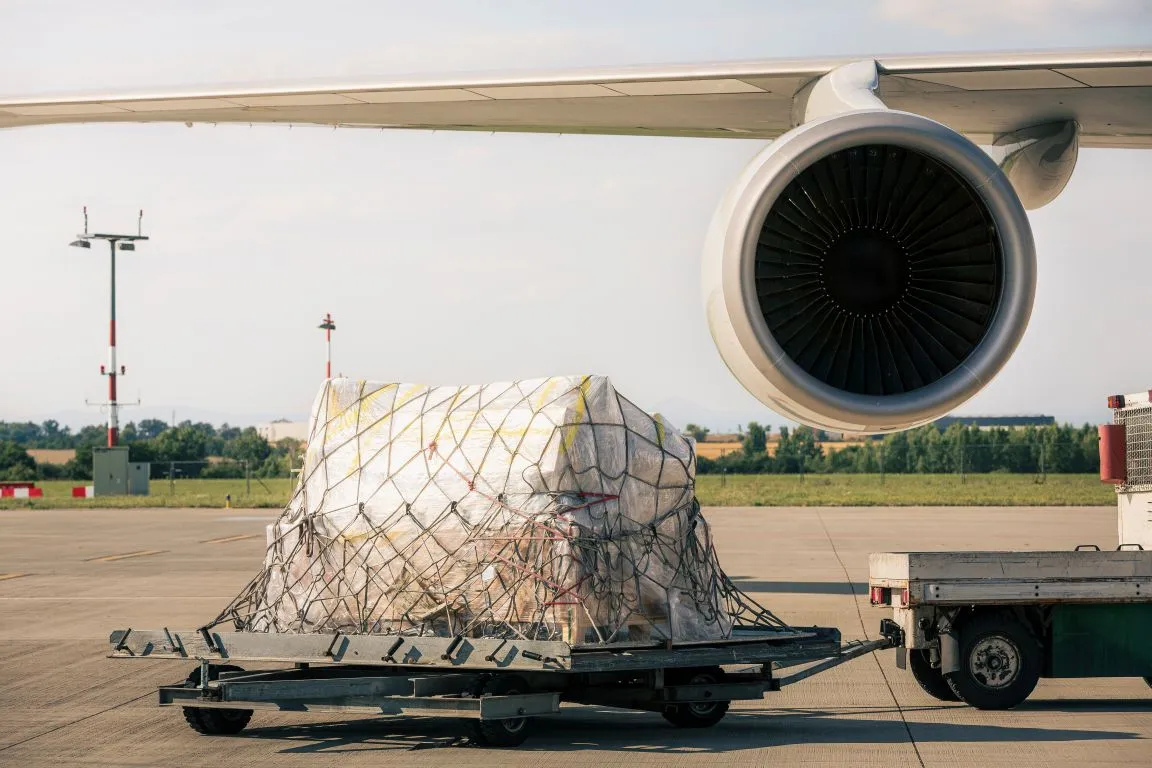
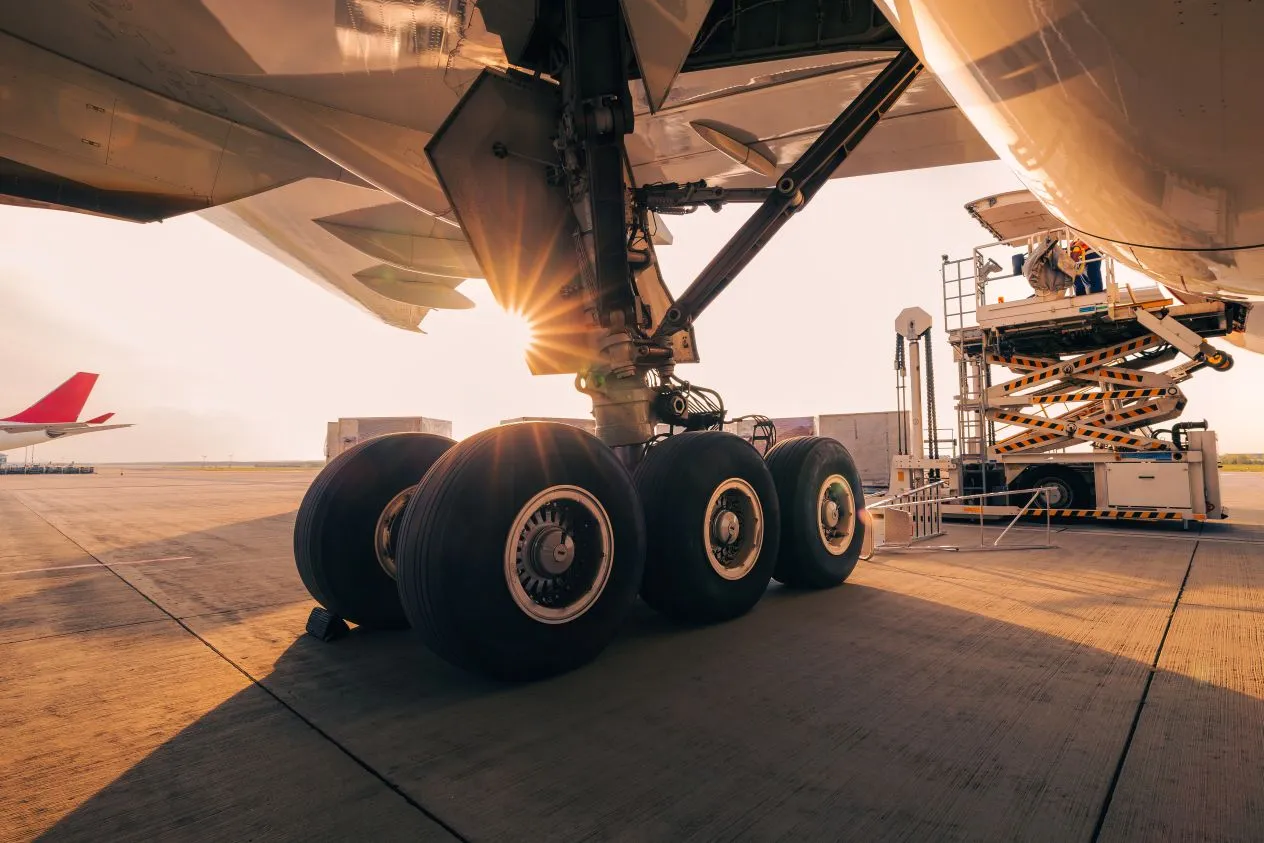
Once the aircraft reaches its assigned parking position, multiple activities must be carefully coordinated.
Effective cargo ground coordination requires that ground support equipment be positioned correctly, aircraft safety procedures be followed, and unloading activities align with established operational requirements.
For cargo aircraft, this can involve:
- Main-deck cargo unloading
- Lower-deck cargo unloading
- ULD movement
- Ground support equipment positioning
- Cargo transfer to warehouse facilities
- Documentation handoffs
IATA describes ramps as confined environments where aircraft, personnel, and ground support equipment operate simultaneously. Standardized procedures are therefore critical for reducing operational complexity and maintaining safe turnarounds.
Learn more about IATA Ground Operations.
Within this environment, effective cargo ground coordination helps ensure that relevant information flows between the airline, handler, warehouse, and commercial representatives.
Ramp Operations Require Precision
The ramp is one of the most operationally sensitive areas of an airport.
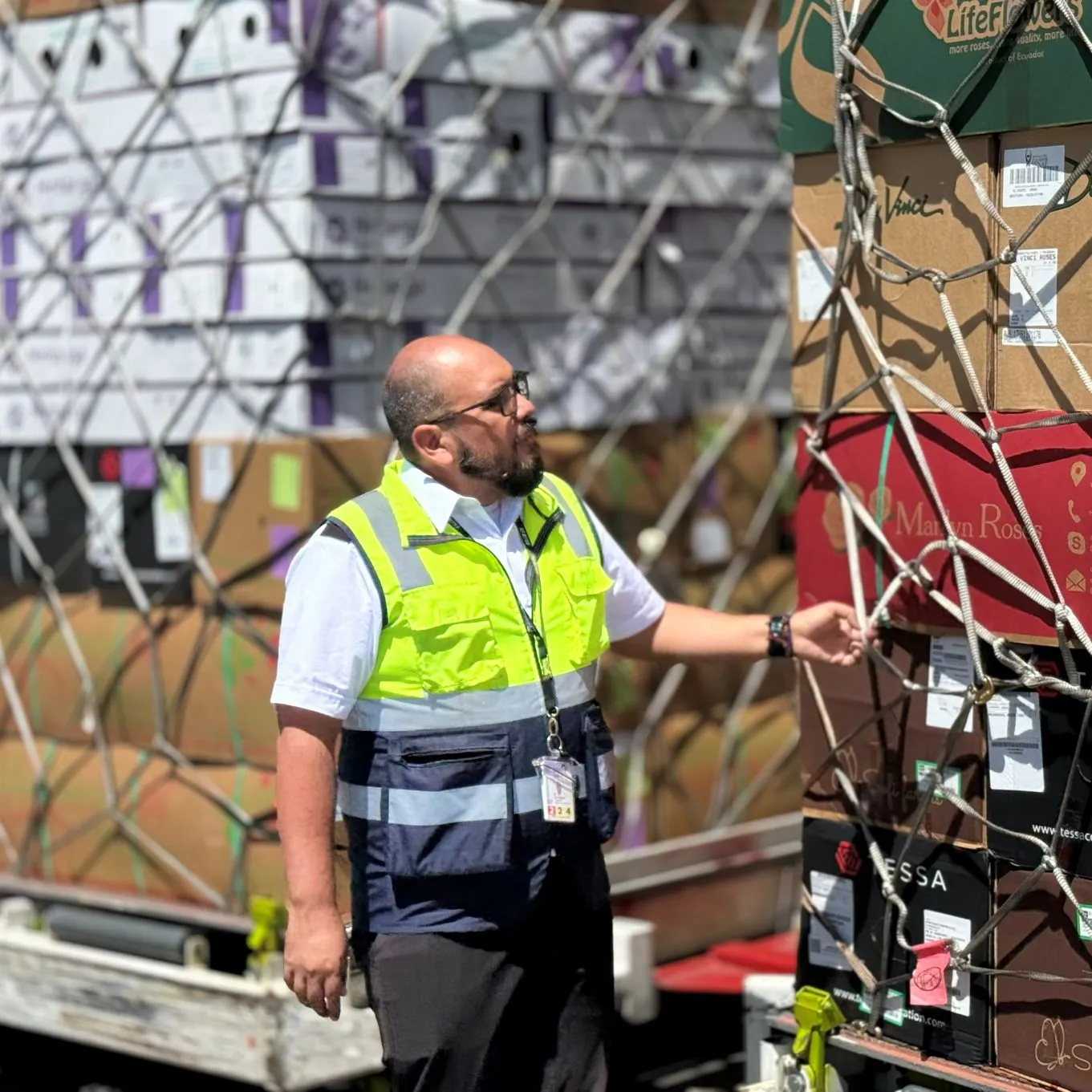
Aircraft, loaders, dollies, tractors, ULDs, and personnel may all operate within a limited space and timeframe. Safety and procedural discipline are therefore fundamental.
IATA identifies aircraft ground damage, worker injuries, and load or loading errors among the major ground-operation safety concerns.
This reinforces why cargo ground coordination must be built around established procedures rather than improvised communication.
While trained ground handling personnel remain responsible for performing ramp activities, GSSAs play a key role in cargo ground coordination, helping to maintain operational visibility and facilitate communication when issues affect customers or airline commercial commitments.
The objective is not to interfere with technical ground handling responsibilities. It is to ensure that operational developments are communicated quickly to the stakeholders who need that information.
Cargo Unloading and Warehouse Transfer
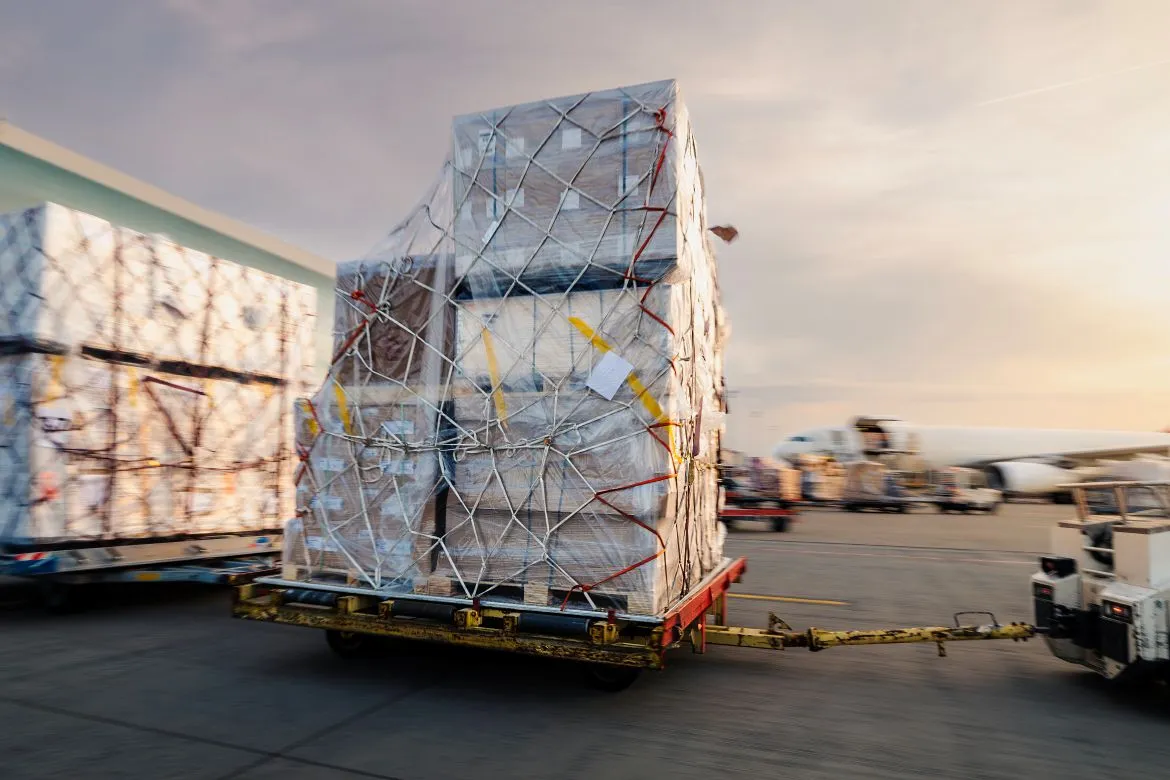
After cargo is removed from the aircraft, shipments must move efficiently from the ramp into the appropriate warehouse or handling facility.
This transition may appear simple, but it represents another important operational handoff.
Teams may need to manage:
- ULD identification
- Shipment segregation
- Transfer cargo
- Import cargo
- Special handling shipments
- Temperature-sensitive cargo
- High-value goods
- Dangerous goods
The IATA Cargo Handling Manual covers the cargo journey across multiple stakeholders, including carrier acceptance, flight preparation, unloading, warehouse dispatch, and transfer to freight forwarders.
Explore the IATA Cargo Handling Manual.
Effective cargo ground coordination helps maintain visibility during these transitions, particularly when customers require status updates or when a shipment needs special attention.
Communication Becomes Critical During Irregular Operations
Normal operations require coordination. Irregular operations require even more.
Weather disruption, late aircraft arrival, equipment issues, documentation discrepancies, congestion, or unexpected cargo conditions can quickly change the original handling plan.
In these situations, GSSAs can become an important communication bridge between operational teams and customers.
Their responsibilities may include:
- Communicating revised timelines
- Coordinating customer notifications
- Escalating commercial priorities
- Supporting rebooking discussions
- Monitoring critical shipments
- Sharing operational updates
This is where strong cargo ground coordination protects more than operational efficiency. It protects customer relationships.
A freight forwarder may understand that disruptions occur. What damages confidence is often the absence of accurate, timely communication.
Preparing Cargo for the Next Flight
Ground operations are not only about unloading arriving cargo.
For departing shipments, warehouse and ramp teams must prepare cargo according to aircraft, load-planning, safety, and operational requirements.
Depending on the shipment, this may include:
- Cargo acceptance
- Documentation verification
- Security requirements
- ULD build-up
- Weight confirmation
- Shipment segregation
- Special cargo checks
- Transfer to the aircraft
Airlines must also balance operational requirements with commercial capacity decisions.
Our GSSA capacity strategy article explains how market demand and commercial intelligence help airlines maximize available cargo space, while our air cargo yield guide explores how airlines maximize the financial value of that capacity.
Ground execution is where those commercial decisions become physical reality.
Load Control Connects Safety and Efficiency
Cargo cannot simply be placed wherever space is available.
Weight distribution, aircraft limitations, ULD positions, and loading instructions must be carefully controlled by qualified operational personnel.
IATA’s ground operations standards include load control principles, regulatory requirements, documentation, and communication between load control and ramp personnel.
Effective cargo ground coordination supports this process by ensuring relevant information is communicated accurately and that commercial teams understand when operational limitations affect booked cargo.
This connection between commercial planning and operational reality is one reason integrated airline-GSSA relationships can create significant value.
Digitalization Is Transforming Ground Coordination
Ground operations are becoming increasingly digital.
Information that once depended heavily on telephone calls, paper documentation, and manual reporting can increasingly move through integrated operational platforms.
Digital tools can improve:
- Shipment visibility
- Operational messaging
- Cargo status updates
- Load reconciliation
- Exception management
- Performance reporting
In May 2026, IATA specifically identified stronger implementation of global standards, modernized ground support equipment, and greater digitalization as priorities for more resilient ground handling.
Read IATA’s 2026 Ground Handling Priorities.
For GSSAs, better digital visibility can strengthen cargo ground coordination by allowing commercial and operational teams to work from more consistent information.
Ground Performance Influences Airline Revenue
Ground operations may appear primarily operational, but their impact ultimately reaches the airline’s commercial performance.
Efficient operations can support:
- Reliable schedules
- Better customer experiences
- Faster cargo availability
- Stronger service consistency
- Reduced disruption
- Greater customer retention
Operational reliability also influences how confidently sales teams can promote an airline’s services.
This connects directly with our cargo sales optimization strategies article and cargo sales intelligence guide.
Selling capacity is only the beginning. Long-term commercial success depends on delivering the service customers were promised.
How GSSAs Add Value Without Replacing Ground Handlers
A strategic GSSA should complement—not duplicate—the responsibilities of qualified ground handling service providers.
Ground handlers physically execute specialized airport activities. GSSAs can add value by connecting those activities with airline commercial priorities and customer communication.
That can include:
- Monitoring service performance
- Maintaining communication channels
- Escalating operational issues
- Supporting airline reporting
- Coordinating customer information
- Identifying recurring service challenges
This model reinforces the broader evolution discussed in our airline representation trends article.
Modern representation increasingly connects sales, intelligence, capacity, customers, and operations into one coordinated airline strategy.
Frequently Asked Questions
What is cargo ground coordination?
Cargo ground coordination is the communication and oversight that helps align airlines, ground handlers, warehouses, freight forwarders, and other stakeholders during aircraft arrival, cargo handling, and departure activities.
Do GSSAs physically handle aircraft on the ramp?
Not necessarily. Physical ramp handling is typically performed by qualified ground handling providers. Depending on the airline agreement, a GSSA may coordinate communication, monitor performance, support customers, and escalate operational issues.
Why is aircraft reception important in air cargo?
Aircraft reception begins the ground turnaround process. Effective preparation helps ensure equipment, personnel, cargo information, and handling requirements are ready when the aircraft arrives.
How does ground coordination affect cargo customers?
Strong coordination improves shipment visibility, communication, service reliability, and response during disruptions—all of which influence customer satisfaction and retention.
How does digitalization improve cargo ground operations?
Digital systems can improve operational messaging, shipment visibility, load reconciliation, exception management, and information sharing between airline and ground handling stakeholders.
How BlueX GSSA Supports Coordinated Airline Operations
At BlueX GSSA, airline representation extends beyond generating cargo sales. Effective representation also means helping airline partners maintain communication and visibility across the local cargo operation.
Through strategic cargo ground coordination, BlueX can help connect airline priorities with customers, freight forwarders, ground handling partners, and other operational stakeholders according to each airline’s representation requirements.
This integrated approach supports:
- Aircraft reception coordination
- Customer communication
- Operational monitoring
- Cargo status visibility
- Ground handler communication
- Issue escalation
- Performance reporting
- Commercial and operational alignment
By connecting what happens in the market with what happens on the ground, BlueX helps airline partners build stronger, more reliable cargo operations.
Conclusion
Behind every successful cargo flight is a coordinated network of people, equipment, information, and operational processes.
From pre-arrival preparation and aircraft reception to unloading, warehouse transfer, load planning, and departure, every stage depends on accurate communication and clearly defined responsibilities.
Effective cargo ground coordination helps connect these activities.
For airlines working with strategic GSSAs, this represents another important evolution in airline representation. The relationship no longer ends when cargo capacity is sold. Commercial commitments must be connected with operational performance and customer communication throughout the shipment journey.
As ground handling becomes increasingly standardized, digitalized, and performance-driven, airlines will benefit from partners capable of connecting local commercial expertise with operational visibility.
Because ultimately, a cargo flight is not successful simply when the aircraft departs full. It is successful when sales, handling, operations, and customer service work together to deliver the reliability customers expect.