Between an aircraft arriving at the gate or parking position and departing on its next flight, an extraordinary amount of activity must happen within a limited period of time.
Cargo must be unloaded and loaded. Unit Load Devices (ULDs) must move between the aircraft and warehouse. Ground Support Equipment (GSE) must operate around the aircraft. Loading instructions must be followed. Operational changes must be communicated. And every activity must remain aligned with strict safety procedures.
At the center of this environment is ramp supervision.
Ramp supervision helps connect ground handling activities with the operational requirements of the aircraft and flight. It provides oversight, communication, and coordination during one of the most time-sensitive stages of air cargo transportation.
For cargo airlines, ground handlers, and General Sales and Service Agents (GSSAs), understanding this process is increasingly important. Modern airline representation is no longer disconnected from operational performance. What happens on the ramp can directly affect schedule reliability, available capacity, customer service, and ultimately commercial results.
That makes ramp supervision much more than watching an aircraft being loaded. It is a critical link between what has been planned on the ground and what must happen safely in the air.
What Is Ramp Supervision in Air Cargo?
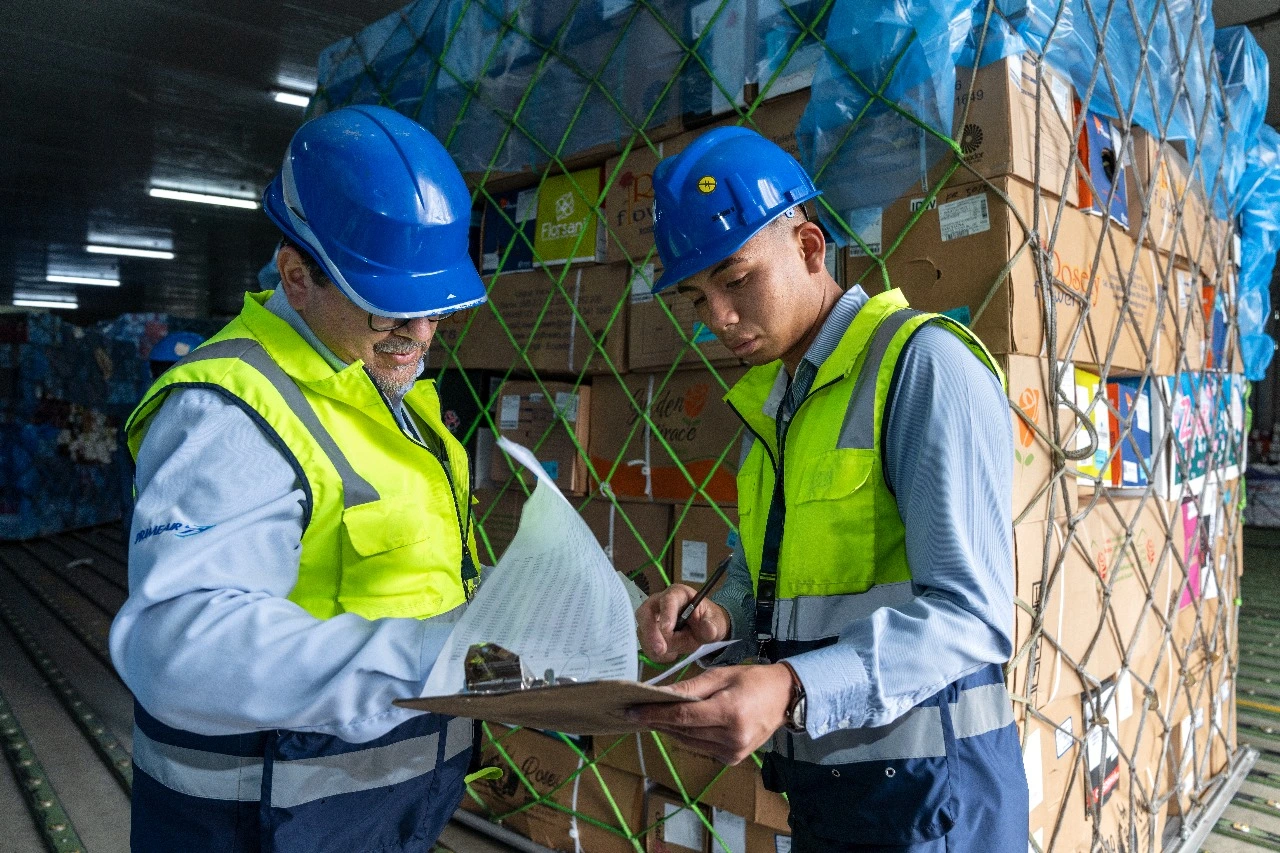
Ramp supervision is the oversight and coordination of activities taking place around an aircraft during its ground turnaround.
Depending on the airline, airport, ground handling agreement, and operational structure, responsibilities can include monitoring:
- Aircraft arrival procedures
- Ground Support Equipment positioning
- Cargo loading and unloading
- ULD movements
- Loading instructions
- Operational communications
- Safety procedures
- Turnaround progress
- Irregularities and escalation
The exact responsibilities vary between operations. Ramp supervisors do not replace specialized functions such as load control, flight crew responsibilities, or trained ground handling personnel.
Instead, effective supervision helps ensure the different activities taking place around the aircraft remain coordinated and consistent with established procedures.
The International Air Transport Association (IATA) describes ramps as confined operational environments where aircraft, people, and Ground Support Equipment are constantly moving.
Why the Ramp Is a Critical Operational Environment
The aircraft ramp is one of the most dynamic areas of an airport.
Multiple activities can occur simultaneously while teams operate under significant time pressure.
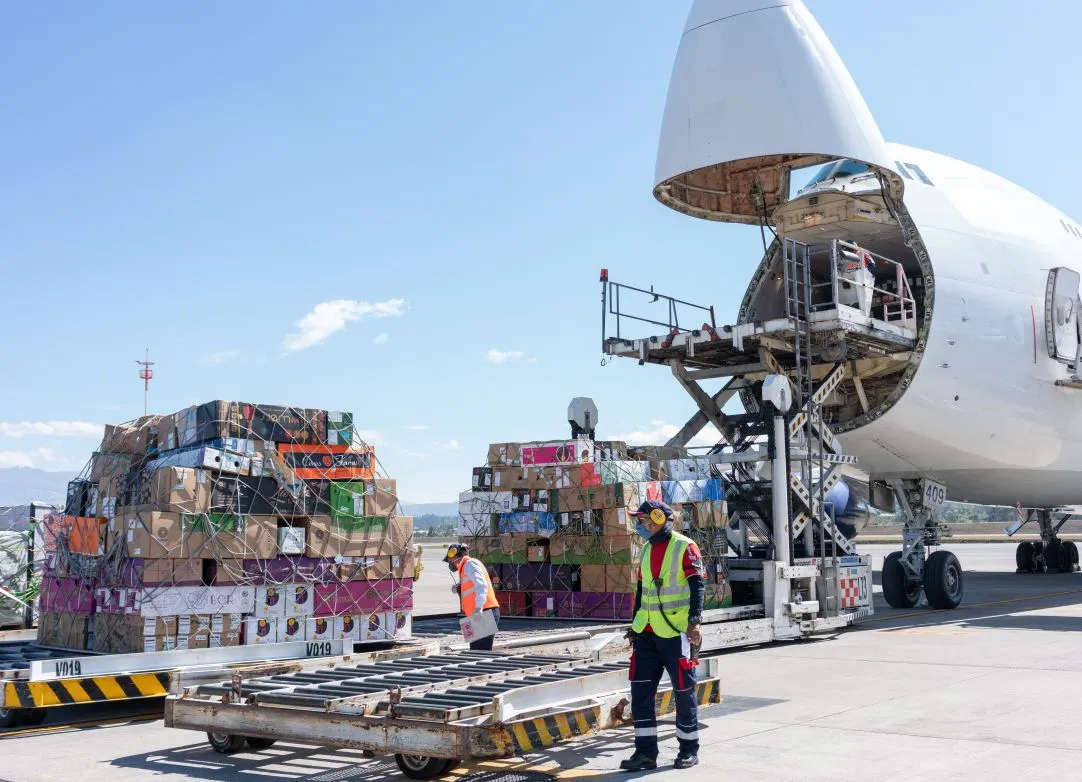
A typical cargo turnaround may involve:
- Aircraft positioning
- Chocking and safety procedures
- Main-deck cargo operations
- Lower-deck cargo operations
- High loaders
- Dollies and tractors
- ULD transfers
- Fueling
- Technical activities
- Flight preparation
Every additional movement creates another point that must be coordinated.
IATA identifies injuries, aircraft ground damage, and load or loading errors among the principal safety performance areas in ground operations.
Review IATA Ground Operations Safety
Effective ramp supervision helps create operational discipline within this highly active environment.
Aircraft Arrival: Supervision Begins Immediately
Ramp coordination begins before the aircraft reaches its final parking position.
Teams need visibility into arrival timing, aircraft requirements, expected cargo, available equipment, and any operational changes.
Once the aircraft is positioned, activities must follow established safety procedures before unloading can begin.
This can include confirming:
- Aircraft positioning
- Safety zones
- Equipment readiness
- Cargo unloading sequence
- Ground handling resources
- Special cargo requirements
- Operational communications
Our cargo ground coordination article explores the wider process surrounding aircraft reception and ground operations.
Ramp supervision takes that coordination closer to the aircraft itself, where plans become physical actions.
Ground Support Equipment Requires Careful Coordination
Cargo aircraft depend on specialized equipment.
High loaders, belt loaders, dollies, tractors, stairs, and other GSE may operate near the aircraft during a turnaround.
Equipment must be positioned and operated according to established safety requirements.
This is particularly important because aircraft ground damage can have serious operational and financial consequences.
In 2026, IATA identified modernization of GSE as one of the major opportunities for improving ground-handling resilience and safety. Technologies such as anti-collision and positioning systems are increasingly being used to reduce risk.
Read IATA’s 2026 Ground Handling Priorities
Technology can improve safety, but ramp supervision remains essential for maintaining awareness and procedural discipline around the aircraft.
Cargo Loading Connects Ground Operations with Flight Safety
One of the most important moments during a cargo turnaround is loading.
Cargo cannot simply be loaded according to available physical space.
Aircraft loading must reflect approved operational instructions involving factors such as:
- Weight
- Position
- ULD configuration
- Cargo restraints
- Aircraft limitations
- Special cargo requirements
Incorrect loading can affect both operational efficiency and flight safety.
IATA specifically identifies load and loading errors as an important ground-operations safety concern and emphasizes communication between load control and ramp personnel.
This makes ramp supervision an important communication link.
The supervisor helps ensure that the loading activity taking place at the aircraft remains aligned with the instructions provided by qualified load-control personnel.
ULD Control Is Part of the Bigger Picture
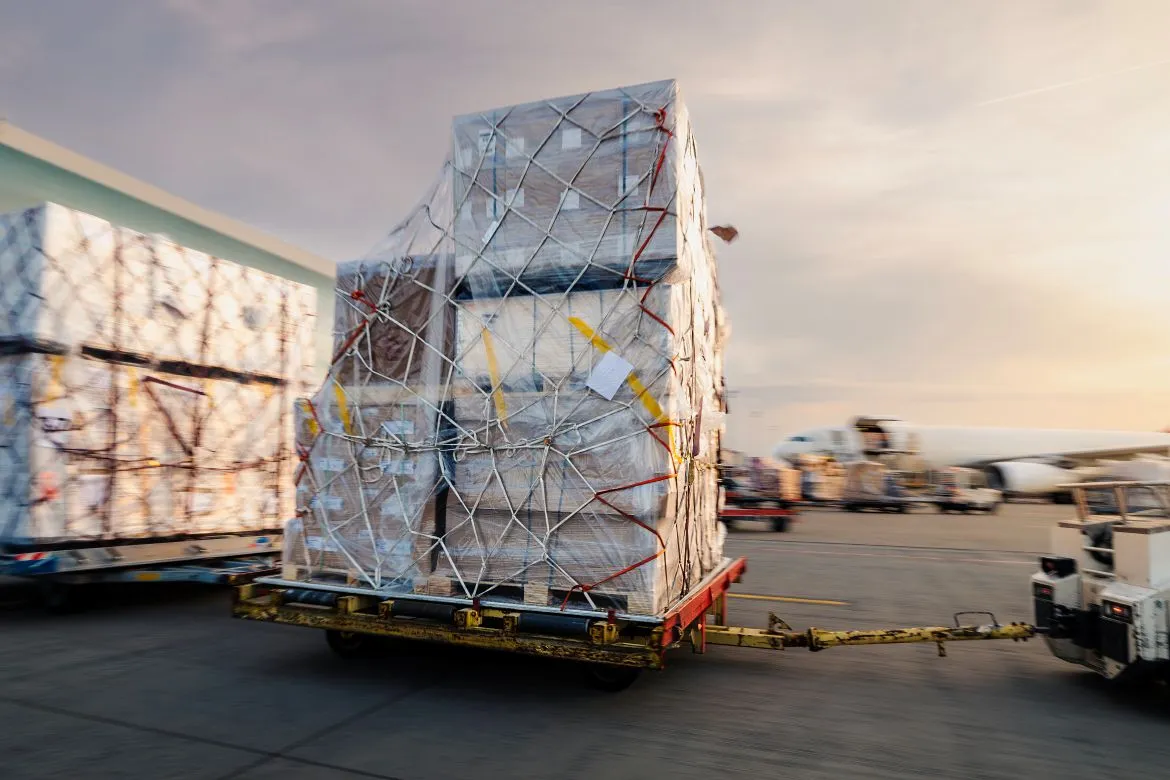
Unit Load Devices are central to freighter operations.
Containers and pallets must arrive at the aircraft in the correct sequence and condition, while empty or unloaded units must continue through the ground-handling process.
Poor coordination can create unnecessary movements, delays, or equipment issues.
Our ULD management guide explains how equipment availability, warehouse preparation, tracking, and positioning influence airline performance.
Ramp supervision connects that upstream planning with the aircraft.
The warehouse may prepare the correct cargo and ULDs, but the final execution must still happen safely and accurately on the ramp.
Turnaround Time Matters—but Safety Comes First
Airlines depend on reliable schedules.
A delayed turnaround can affect subsequent flights, airport slots, crew planning, customer connections, and overall network performance.
Ramp teams therefore work within defined operational timelines.
However, faster does not automatically mean better.
Effective ramp supervision balances operational efficiency with procedural compliance.
The objective is not to create pressure for teams to work faster at the expense of safety. It is to create coordination that reduces unnecessary delays, confusion, repeated work, and communication failures.
Standardization becomes particularly valuable in this environment.
IATA identifies global standards and their consistent application as the foundation for safe, secure, and efficient ground operations.
Explore IATA Ground Operations Standards
Communication Is Critical When the Plan Changes
Air cargo operations do not always follow the original plan.
A late inbound aircraft, equipment problem, cargo discrepancy, weather event, documentation issue, or last-minute shipment change can affect the turnaround.
When this happens, accurate communication becomes essential.
Ramp supervisors may need to coordinate information with:
- Ground handling teams
- Load control
- Airline operations
- Warehouse personnel
- Flight crew through established channels
- Local airline representatives
Changes must reach the right stakeholders before they create larger operational problems.
This is one reason ramp supervision acts as a bridge between ground and flight operations.
The ramp becomes the point where operational information and physical execution meet.
Specialized Cargo Adds Another Layer of Complexity
Some commodities require additional operational attention.
Pharmaceuticals, perishables, dangerous goods, high-value shipments, live animals, oversized cargo, and other specialized freight may have specific handling requirements.
Ramp teams need appropriate information so these shipments can be handled according to applicable procedures.
Our specialized cargo niches article explores why these commodities require additional expertise.
For airlines, specialized cargo can represent valuable revenue. But commercial opportunity must always be supported by operational capability.
Ramp supervision helps connect those two realities.
Charter Flights Make Ramp Planning Even More Important
Scheduled operations benefit from established routines.
Charter operations may introduce different aircraft, cargo configurations, timing, equipment requirements, or shipment characteristics.
Our air cargo charter solutions guide explains when dedicated aircraft capacity becomes the better transportation option.
For these missions, advance ramp planning becomes particularly important.
Teams may need to confirm:
- Aircraft compatibility
- Required loaders
- Parking position
- Cargo dimensions
- ULD configuration
- Special equipment
- Ground handling resources
Effective ramp supervision helps translate that planning into coordinated execution when the aircraft arrives.
Digitalization Is Changing Ramp Operations
Ramp operations have traditionally depended heavily on radio communication, paper documentation, and manual confirmation.
That is changing.
Digital tools can improve communication between load control, ramp teams, airline operations, and ground handling providers.
IATA’s 2026 ground-handling priorities specifically include greater digitalization alongside stronger implementation of global standards and modernized GSE.
Digital solutions can support:
- Loading reconciliation
- Operational messaging
- Equipment visibility
- Turnaround monitoring
- Exception reporting
- Performance data
The goal is not simply replacing paper with screens.
It is giving teams more accurate information at the moment decisions must be made.
How Ramp Performance Influences Airline Revenue
Ramp operations may appear far removed from commercial strategy.
In reality, they are closely connected.
Reliable ground execution supports:
- On-time performance
- Better capacity utilization
- Fewer handling disruptions
- Stronger customer confidence
- More consistent service
- Better network reliability
Our air cargo yield management article explains how airlines maximize the financial value of capacity.
But capacity has commercial value only when it can be executed operationally.
A booking that misses its planned flight because of preventable operational issues does not represent successful capacity management.
This is why operational reliability ultimately supports revenue performance.
What Role Can a GSSA Play?
The responsibilities of a GSSA depend on its agreement with each airline.
A GSSA should not be assumed to replace certified ground handlers, load-control personnel, or other specialized operational functions.
However, where included within the representation agreement, a GSSA can support the wider coordination surrounding ramp operations.
This may involve:
- Monitoring operational performance
- Maintaining communication with handlers
- Supporting airline representatives
- Escalating irregularities
- Communicating commercial priorities
- Supporting customer updates
- Providing performance reporting
Our complete cargo representation guide explains how modern GSSAs can connect commercial strategy with operational coordination.
The value lies in visibility and communication.
When commercial and operational teams understand what is happening on the ground, airlines can respond more effectively.
Frequently Asked Questions
What is ramp supervision in air cargo?
Ramp supervision is the oversight and coordination of ground activities around an aircraft during arrival, unloading, loading, turnaround, and departure.
Why is ramp supervision important?
Ramp supervision helps maintain safety, procedural compliance, communication, loading accuracy, and efficient aircraft turnaround.
Is a ramp supervisor responsible for load control?
Not necessarily. Load control is a specialized operational function. Ramp supervision helps ensure physical loading activities remain aligned with instructions issued through the appropriate load-control process.
How does ramp supervision affect flight safety?
Proper supervision supports safe equipment positioning, accurate loading, adherence to operational procedures, and effective communication between ground stakeholders.
Can GSSAs provide ramp supervision?
The scope depends on the airline agreement, local regulations, qualifications, and operational structure. GSSAs may support coordination and supervision where these responsibilities are formally included, but they do not automatically replace specialized ground handling functions.
How BlueX GSSA Supports Operational Coordination
At BlueX GSSA, effective airline representation means understanding both the commercial and operational sides of air cargo.
Where required by an airline partnership, BlueX can help maintain communication and visibility between airline teams, customers, freight forwarders, and ground handling stakeholders.
This integrated approach can support:
- Operational monitoring
- Ground handler communication
- Aircraft reception coordination
- Customer updates
- Irregularity escalation
- Performance reporting
- Commercial and operational alignment
Understanding ramp supervision allows representation teams to better recognize how decisions made on the ground can influence the entire cargo operation.
That operational awareness strengthens the connection between what an airline sells and the service it ultimately delivers.
Conclusion
The ramp is where ground planning meets flight execution.
Cargo prepared in the warehouse must reach the correct aircraft. ULDs must be positioned and loaded according to operational requirements. Ground Support Equipment must operate safely around the aircraft. Loading instructions must be followed. Changes must be communicated quickly.
Effective ramp supervision helps connect these moving parts.
Its value extends beyond faster aircraft turnarounds. Strong supervision supports safety, loading accuracy, operational consistency, customer reliability, and ultimately airline performance.
As air cargo operations become increasingly digital, standardized, and data-driven, the ramp will remain one of the most important points in the entire cargo journey.
Because between the warehouse and the flight deck lies a complex operational environment where precision matters—and where effective supervision helps ensure that every cargo flight is prepared to depart safely, efficiently, and reliably.