Air cargo moves some of the world’s most valuable and sensitive products.
Pharmaceuticals, electronics, aerospace components, industrial equipment, luxury goods, perishables, and critical manufacturing parts routinely travel through complex global aviation networks.
Before these shipments reach an aircraft, however, air cargo security measures require them to pass through freight forwarders, warehouses, screening processes, staging areas, ground handling facilities, and airport ramps.
Every transition requires control.
This makes air cargo security much more than protecting freight while it is inside an aircraft. Security begins before cargo reaches the airport and continues throughout acceptance, screening, storage, handling, aircraft loading, transfer, and release.
For airlines, ground handling providers, freight forwarders, and General Sales and Service Agents (GSSAs), maintaining a secure cargo environment depends on clearly defined responsibilities and effective communication.
GSSAs do not automatically perform regulated security screening or replace certified security personnel. Their role depends on the airline agreement, local regulations, and operational structure.
However, strategic GSSAs can help connect customers, airline teams, ground handlers, and operational stakeholders—supporting visibility and communication across the cargo journey.
As supply chains become more digital, valuable, and interconnected, understanding air cargo security has become an increasingly important part of modern airline representation.
What Is Air Cargo Security?
Air cargo security refers to the regulations, procedures, controls, technologies, and operational practices used to protect cargo and the aviation system from unlawful interference and other security risks.
The security environment can include:
- Cargo acceptance procedures
- Screening requirements
- Access control
- Secure storage
- Shipment identification
- Chain-of-custody processes
- Documentation
- Employee authorization
- Facility security
- Operational monitoring
Requirements vary according to jurisdiction, airport, shipment type, origin, destination, and applicable regulatory framework.
At the international level, the International Civil Aviation Organization (ICAO) establishes global aviation security Standards and Recommended Practices through Annex 17 to the Chicago Convention.
Explore ICAO Aviation Security Resources
These global frameworks help countries and aviation stakeholders develop systems designed to protect international civil aviation.
Security Begins Before Cargo Reaches the Aircraft
One of the most important principles in air cargo security is that protection cannot begin only at the aircraft.
By then, cargo may already have moved through multiple organizations and facilities.
A secure transportation process requires appropriate controls from the moment freight enters the regulated air cargo environment.
Depending on applicable regulations, this can involve:
- Shipper information
- Shipment documentation
- Cargo acceptance
- Security status
- Screening
- Controlled access
- Secure storage
- Transfer procedures
The objective is to maintain confidence that cargo has moved through an appropriate security process before being loaded onto an aircraft.
For GSSAs, understanding these requirements is important because commercial teams should never promise a transportation solution without considering the security and operational processes required to execute it.
Cargo Screening Is a Critical Security Layer
Cargo screening is one of the most visible components of aviation security.
Depending on regulatory requirements, cargo may be subject to approved screening methods before transportation by air.
These processes are performed by appropriately authorized and qualified entities—not simply by any organization involved in the shipment.
Air cargo security programs may incorporate different technologies and procedures depending on cargo characteristics and regulatory requirements.
For airlines and GSSAs, the key commercial consideration is understanding that screening can affect:
- Acceptance deadlines
- Processing time
- Shipment eligibility
- Warehouse planning
- Flight preparation
Security is therefore not separate from operational planning.
It is part of it.
The International Air Transport Association (IATA) provides aviation security resources supporting airlines and industry stakeholders as they navigate evolving regulatory requirements.
Explore IATA Aviation Security
Access Control Protects the Cargo Environment
Secure cargo facilities depend on controlling who can access restricted areas.
Air cargo security is critical in warehouses, where shipments worth millions of dollars may be stored alongside freight subject to regulatory controls or special handling requirements.
Access should therefore be limited according to applicable security procedures.
Controls can include:
- Authorized personnel access
- Identification systems
- Restricted warehouse zones
- Visitor procedures
- Surveillance
- Secure doors and gates
- Controlled valuable-cargo areas
Strong air cargo security relies on layers.
No single camera, lock, screening process, or document can protect an entire cargo operation independently.
Security becomes stronger when physical controls, procedures, technology, and trained personnel work together.
Chain of Custody Supports Shipment Integrity
Cargo frequently changes hands during its journey.
Air cargo security involves multiple steps as a shipment moves from a shipper to a freight forwarder, from the forwarder to a ground handling facility, through screening, into a secure warehouse, onto the ramp, and eventually into the aircraft.
Each handoff creates another point where shipment integrity must be maintained.
A strong chain-of-custody process helps stakeholders understand:
- Who handled the cargo
- Where it was stored
- When custody changed
- Whether required security controls were maintained
- Whether irregularities occurred
For high-value or sensitive cargo, additional tracking and custody controls may also be appropriate.
This connects directly with our specialized cargo handling article, where security becomes particularly important for pharmaceuticals, electronics, luxury goods, and other sensitive commodities.
Warehouse Security Is Essential
The warehouse represents one of the most important environments in air cargo security.
Cargo may remain there for hours before departure or following arrival.
Facilities therefore need appropriate controls based on regulatory requirements and the types of freight being handled.
Security measures may include:
- Restricted access
- Shipment segregation
- Surveillance
- Controlled storage
- Valuable-cargo areas
- Documentation controls
- Operational monitoring
Warehouse organization also matters.
Knowing where cargo is located reduces unnecessary handling and improves operational visibility.
Our ULD management and warehouse operations guide explains how organized warehouse processes improve cargo visibility and flight preparation.
Security and operational efficiency often reinforce each other: better visibility makes it easier to identify when something does not follow the expected process.
High-Value Cargo Requires Additional Attention
Some shipments present greater theft or tampering risks because of their value, size, or marketability.
Examples may include:
- Consumer electronics
- Semiconductors
- Luxury products
- Precision equipment
- Sensitive technology
- Certain pharmaceuticals
- High-value industrial components
Depending on the operation, additional air cargo security controls may include limited-access storage, enhanced monitoring, tracking, expedited transfers, or documented custody procedures.
These measures should be proportional to the shipment’s risk and applicable requirements.
Our specialized cargo niches article explores why high-value commodities can provide attractive airline revenue while requiring more sophisticated operational capabilities.
Premium cargo opportunities require premium execution.
Ramp Security Extends Protection to the Aircraft
Cargo security does not end when freight leaves the warehouse.
The movement from warehouse to aircraft introduces another operational transition.
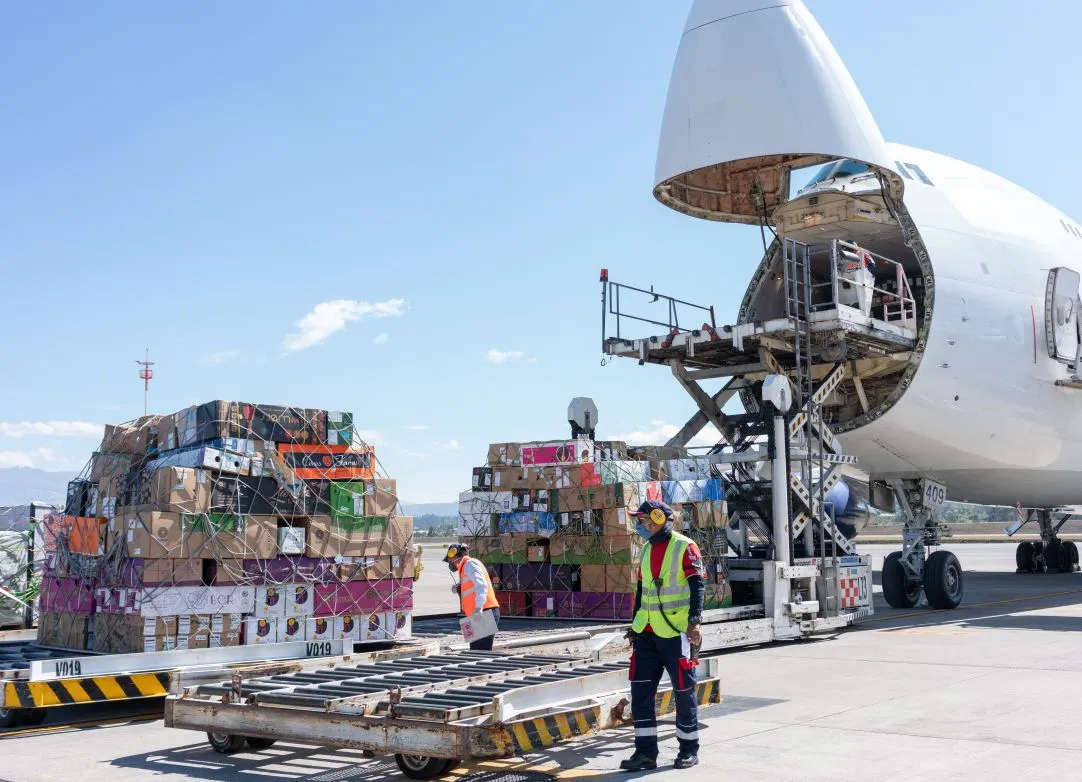
ULDs, vehicles, equipment, personnel, and aircraft may all interact within controlled airport areas.
Strong coordination helps ensure cargo moves through the expected process and reaches the correct aircraft.
Our ramp supervision guide explains how ramp oversight connects warehouse preparation with aircraft loading.
From a security perspective, accurate identification and controlled movement are important because cargo should not lose visibility during the final stages before departure.
Effective air cargo security therefore extends throughout ground operations rather than functioning as a single checkpoint.
ULD Control Can Support Cargo Security
Unit Load Devices play an important role in aircraft cargo operations.
Once shipments are consolidated into containers or onto pallets, teams need visibility into the identity, location, condition, and movement of those units.
Strong ULD control can support:
- Shipment identification
- Loading accuracy
- Equipment accountability
- Cargo visibility
- Operational traceability
Our ULD management article explains how better equipment visibility supports operational efficiency.
From a security perspective, accurate ULD information can also help teams identify inconsistencies between what is expected and what is physically moving through the operation.
Digitalization Is Changing Cargo Security
Modern air cargo security increasingly depends on information as well as physical controls.
Digital systems can improve visibility across:
- Shipment status
- Security information
- Documentation
- Warehouse movements
- ULD tracking
- Operational milestones
- Exception reporting
IATA’s ONE Record initiative is designed to create a standardized digital data-sharing environment for air cargo stakeholders.
Better data exchange can help authorized stakeholders work from more consistent shipment information.
However, digitalization also creates another responsibility: information itself must be protected appropriately.
Physical and digital security are increasingly interconnected.
Irregularities Require Fast Escalation
Security systems are designed to prevent problems, but organizations must also know how to respond when something does not match expectations.
Examples can include:
- Damaged packaging
- Documentation discrepancies
- Unexpected access
- Missing cargo
- Incorrect shipment identification
- Broken security controls
- Unexplained route deviations
These situations should be handled according to established security and operational procedures.
For a GSSA, the important role in air cargo security is often communication and escalation rather than conducting the security investigation itself.
Our cargo ground coordination article explains why clearly defined communication channels become especially important during irregular operations.
The faster the correct stakeholders receive accurate information, the faster they can respond appropriately.
Security Supports Commercial Performance
Security is primarily about protecting aviation, people, and cargo.
But strong security processes also support commercial performance.
Customers want confidence that their shipments will move through reliable and controlled environments.
This is especially important for companies shipping valuable, sensitive, or time-critical products.
Strong security capabilities can support:
- Customer confidence
- Service reliability
- Specialized cargo development
- Reduced disruption
- Stronger airline reputation
- Long-term commercial relationships
Our cargo market analysis article explains how GSSAs identify specialized market opportunities.
Security capability can become one factor determining whether an airline can realistically pursue those opportunities.
What Is the GSSA’s Role in Air Cargo Security?
A GSSA’s responsibilities depend on the airline agreement, jurisdiction, airport, and applicable security program.
A GSSA should not be presented as automatically responsible for regulated screening, law enforcement, airport security, or functions assigned to authorized security personnel.
Instead, GSSAs can support the wider security environment through:
- Customer communication
- Documentation awareness
- Operational coordination
- Ground-handler communication
- Shipment monitoring
- Irregularity escalation
- Performance reporting
This distinction is important.
The value of the GSSA lies in helping connect commercial activity with the airline’s operational and regulatory requirements.
Our cargo representation guide explains how modern representation increasingly connects sales, customer service, market intelligence, and operational coordination.
Security awareness is part of that broader responsibility.
Frequently Asked Questions
What is air cargo security?
Air cargo security includes the regulations, procedures, controls, technologies, and operational practices designed to protect cargo and civil aviation from unlawful interference and other security risks.
Is all air cargo screened before flying?
Screening requirements depend on applicable national and international regulations, cargo security status, origin, destination, and approved security programs. Authorized entities must follow the requirements governing each shipment.
Why is warehouse security important?
Cargo can spend significant time inside airport warehouses. Access control, surveillance, shipment visibility, secure storage, and documented processes help protect cargo while it is awaiting transportation or collection.
How is high-value cargo protected?
Depending on risk and operational requirements, high-value cargo may use controlled storage, restricted access, tracking, surveillance, documented custody, expedited transfers, and additional monitoring.
What role does a GSSA play in cargo security?
Depending on the airline agreement, a GSSA can support communication, documentation awareness, shipment visibility, handler coordination, irregularity escalation, and customer communication. Regulated security functions remain the responsibility of appropriately authorized organizations and personnel.
How BlueX GSSA Supports Secure Cargo Operations
At BlueX GSSA, effective airline representation requires understanding that commercial performance and operational responsibility are closely connected.
Customers expect airline partners to provide not only capacity, but also clear communication and reliable processes throughout the cargo journey.
BlueX helps connect airline requirements with customers, freight forwarders, and operational stakeholders through:
- Customer communication
- Shipment visibility
- Ground-handler coordination
- Operational monitoring
- Specialized cargo awareness
- Irregularity escalation
- Performance reporting
- Commercial and operational alignment
By maintaining awareness of air cargo security requirements and clearly defined operational responsibilities, BlueX can help airline partners strengthen coordination across the ground operation.
The objective is not to replace regulated security providers.
It is to help ensure commercial and operational stakeholders remain connected throughout the shipment journey.
Conclusion
Air cargo security is not a single checkpoint.
It is a continuous process that begins before freight reaches the aircraft and extends through acceptance, screening, storage, warehouse handling, ULD preparation, ramp movement, loading, transfer, and release.
Every handoff matters.
Effective air cargo security combines regulatory compliance, controlled access, secure facilities, shipment visibility, appropriate screening, trained personnel, digital information, and clear communication.
For GSSAs, security awareness adds another important dimension to modern airline representation.
A commercial team must understand not only where cargo demand exists, but also what operational and security requirements must be satisfied before that demand can become reliable airline business.
As global air cargo networks become increasingly digital and specialized, customers will continue placing greater value on transparency, security, and operational reliability.
The strongest airline partnerships will therefore be those that connect commercial opportunity with disciplined execution—protecting cargo, maintaining customer confidence, and ensuring that security remains embedded throughout the entire ground operation.