The global air cargo industry is evolving faster than ever. Airlines are expected to maximize cargo revenue, improve customer service, optimize aircraft capacity, expand into new markets, and respond quickly to changing global trade patterns. At the same time, they must control costs while maintaining high operational standards and delivering consistent service across multiple regions.
Meeting these expectations requires more than a strong fleet or an extensive route network. It requires trusted commercial partners capable of connecting airlines with local markets, freight forwarders, logistics providers, exporters, and operational stakeholders. This is where cargo representation has become one of the most valuable strategic assets for airlines around the world.
Although General Sales and Service Agents (GSSAs) have traditionally been associated with cargo sales, their responsibilities have expanded significantly. Today, modern cargo representation encompasses commercial strategy, customer development, revenue optimization, market intelligence, capacity planning, route development, operational coordination, and performance reporting. Rather than acting solely as external sales representatives, experienced GSSAs function as integrated extensions of an airline’s commercial organization.
As global supply chains become increasingly interconnected and customer expectations continue to evolve, airlines require partners capable of translating local market knowledge into measurable commercial results. Effective cargo representation allows carriers to expand internationally, strengthen customer relationships, improve profitability, and maintain flexibility without investing heavily in regional infrastructure.
This guide explains how modern cargo representation supports every stage of an airline’s cargo business—from generating sales opportunities to improving operational coordination—and why strategic GSSA partnerships have become an essential component of long-term airline success.
What Is Cargo Representation?
Understanding the Modern GSSA Model
Cargo representation refers to the commercial and operational services performed by a General Sales and Service Agent (GSSA) on behalf of an airline within a defined territory or market.
Rather than opening dedicated commercial offices in every country they serve, many airlines appoint experienced GSSAs to represent their cargo business locally.
A modern cargo representation partner acts as the airline’s commercial presence by developing customer relationships, managing cargo sales activities, providing market intelligence, and supporting operational communication.
Today’s cargo representation typically includes:
- Cargo sales
- Business development
- Customer relationship management
- Freight forwarder engagement
- Market intelligence
- Revenue optimization
- Capacity planning support
- Route development
- Commercial reporting
- Marketing support
- Operational coordination
- Customer service
This comprehensive approach allows airlines to benefit from experienced local professionals while maintaining alignment with their global commercial objectives.
According to the entity International Air Transport Association, global airline trade association, collaboration, digitalization, and commercial innovation continue to play an increasingly important role in strengthening global air cargo performance.
The Evolution of Cargo Representation
From Local Sales Offices to Strategic Commercial Partners
Several decades ago, airline cargo representation focused primarily on generating bookings and maintaining relationships with local freight forwarders.
While these responsibilities remain important, today’s cargo industry requires significantly broader expertise.
Modern cargo representation has evolved into a strategic business function supporting airlines through commercial planning, data analysis, revenue optimization, customer development, and long-term market growth.
Instead of simply selling available aircraft space, today’s GSSAs help airlines answer strategic questions such as:
- Which industries offer the greatest growth potential?
- Which customers generate the highest long-term value?
- Which trade lanes require additional investment?
- How should pricing respond to changing market conditions?
- Which commodities should receive commercial priority?
The answers to these questions influence airline profitability far beyond individual cargo bookings.
Our airline representation trends article explores how the role of GSSAs continues evolving alongside digital transformation, predictive analytics, and changing customer expectations.
Modern cargo representation has become a strategic competitive advantage rather than simply a sales function.
Why Airlines Invest in Cargo Representation
Expanding Globally Without Expanding Overhead
Opening commercial offices around the world requires substantial investment.
Airlines must recruit local teams, lease office space, implement technology platforms, establish customer relationships, and manage ongoing administrative costs.
For many carriers, especially those entering emerging cargo markets, this approach is both expensive and time-consuming.
Effective cargo representation provides a far more flexible alternative.
Instead of building commercial organizations from the ground up, airlines gain immediate access to experienced professionals who already understand local market conditions.
This provides several advantages:
- Immediate commercial presence
- Established freight forwarder relationships
- Local market expertise
- Reduced operating costs
- Faster market entry
- Greater commercial flexibility
Because GSSAs already possess regional knowledge and customer networks, airlines can begin developing cargo business much more quickly.
Our GSSA partnerships article explains why more airlines continue strengthening these strategic relationships as global trade becomes increasingly competitive.
Local Expertise Creates Competitive Advantage
Every cargo market is unique.
Customer expectations, commodity flows, regulations, pricing dynamics, infrastructure, and competitive conditions differ significantly from one country to another.
Understanding these differences often determines whether an airline succeeds within a particular region.
Experienced cargo representation provides airlines with valuable local knowledge regarding:
- Regional industries
- Export and import trends
- Freight forwarder networks
- Customer purchasing behavior
- Seasonal demand
- Economic conditions
- Regulatory requirements
This market intelligence enables airlines to respond more quickly to commercial opportunities while reducing uncertainty.
Rather than relying solely on historical reports generated from headquarters, airlines receive real-time insights from professionals working directly within the marketplace.
This local expertise supports better pricing, stronger customer relationships, improved forecasting, and more effective commercial planning.
Building Strong Customer Relationships
Commercial Success Begins with Trust
Air cargo remains a relationship-driven industry.
Freight forwarders, manufacturers, exporters, customs brokers, and logistics providers expect responsive communication, industry knowledge, and reliable service.
Modern cargo representation focuses on developing long-term partnerships rather than simply processing bookings.
Experienced GSSAs regularly engage with customers through:
- Sales visits
- Business reviews
- Market presentations
- Customer support
- Industry events
- Commercial planning sessions
These activities allow airlines to better understand customer challenges while identifying future business opportunities.
Relationship management also improves customer retention by creating stronger commercial partnerships that extend beyond individual shipments.
Our cargo sales optimization strategies article explains how customer engagement directly contributes to long-term airline profitability.
Technology continues transforming cargo sales, but trusted relationships remain one of the industry’s strongest competitive advantages.
Market Intelligence Is the Foundation of Better Decisions
Modern airlines operate in an environment where market conditions can change rapidly.
Trade flows shift, manufacturing expands into new regions, commodity demand fluctuates, and customer priorities evolve.
This makes market intelligence one of the most valuable components of effective cargo representation.
Experienced GSSAs continuously monitor:
- Customer demand
- Industry developments
- Competitor activity
- Pricing trends
- Trade lane performance
- Commodity growth
- Capacity changes
These insights allow airlines to make informed decisions regarding pricing, customer targeting, network planning, and commercial investment.
Our cargo sales intelligence article explains how commercial data strengthens airline decision-making, while our air cargo market intelligence guide explores how regional intelligence becomes measurable revenue growth.
Successful airlines increasingly compete on information as much as they compete on capacity.
Cargo Sales: The Core of Effective Cargo Representation
Turning Market Opportunities into Revenue
Cargo sales remain the foundation of successful cargo representation, but the role of sales teams has changed considerably over the past decade. Airlines no longer measure success simply by the number of shipments booked or the amount of cargo moved. Instead, they focus on generating sustainable revenue, improving customer quality, and developing profitable long-term business.
Modern cargo representation combines traditional relationship building with data-driven commercial planning.
Experienced GSSAs proactively identify opportunities by analyzing:
- Customer shipping patterns
- Commodity demand
- Regional trade flows
- Seasonal activity
- Competitive positioning
- Emerging industries
Rather than waiting for customers to request space, they actively develop new business opportunities while strengthening relationships with existing accounts.
Sales professionals regularly collaborate with:
- Freight forwarders
- Third-party logistics providers
- Customs brokers
- Manufacturers
- Exporters
- Importers
- Specialized cargo shippers
By understanding each customer’s supply chain and transportation priorities, cargo representation becomes consultative rather than transactional.
Our cargo sales optimization strategies article explains how modern airlines improve commercial performance by combining customer relationships with strategic planning.
Revenue Management: Selling Smarter, Not Just More
Maximizing cargo volume does not always maximize profitability.
One of the primary objectives of cargo representation is helping airlines improve the quality of revenue rather than focusing exclusively on shipment quantity.
Commercial teams continuously evaluate:
- Revenue per kilogram
- Yield by route
- Customer profitability
- Commodity value
- Long-term account potential
- Contract versus spot business
Instead of accepting every shipment at the lowest available rate, airlines increasingly prioritize cargo that contributes stronger financial performance.
Effective cargo representation supports this process by providing local market intelligence and helping identify customers that consistently generate higher-value business.
This commercial philosophy is explored in greater detail within our air cargo yield article.
Additional pricing and profitability strategies can be found in cargo revenue management and air cargo revenue strategies.
Capacity Optimization Through Commercial Intelligence
Aircraft capacity represents one of an airline’s most valuable assets.
Every unused kilogram represents lost revenue that cannot be recovered after departure.
For this reason, modern cargo representation plays an important role in helping airlines maximize the commercial value of available capacity.
Experienced GSSAs contribute by providing visibility into:
- Regional demand
- Customer requirements
- Seasonal fluctuations
- Commodity trends
- Competitive capacity
- Market pricing
These insights allow airlines to allocate space more effectively while protecting yields.
Capacity optimization is no longer simply an operational exercise.
It has become a commercial discipline requiring close collaboration between airline management and local representation partners.
Our GSSA capacity strategy article explains how commercial intelligence supports smarter capacity allocation.
Related strategies are discussed in cargo capacity optimization and capacity planning strategies.
Demand Forecasting Supports Better Decisions
Historical booking reports explain what happened yesterday.
Forecasting helps airlines prepare for tomorrow.
This capability has become one of the most valuable aspects of professional cargo representation.
Demand forecasting combines:
- Historical shipment activity
- Economic indicators
- Customer purchasing trends
- Commodity cycles
- Export seasons
- Manufacturing activity
- Regional market intelligence
These insights allow airlines to anticipate demand before competitors recognize market changes.
Forecasting supports:
- Pricing decisions
- Capacity planning
- Sales priorities
- Resource allocation
- Seasonal preparation
Our cargo demand forecasting article explains how predictive analytics improves airline commercial performance.
The ability to anticipate demand rather than simply react to it creates a significant competitive advantage.
Market Intelligence Drives Strategic Growth
Information has become one of the airline industry’s most valuable commercial resources.
Successful cargo representation depends on continuously gathering and interpreting market intelligence from local customers, freight forwarders, industry associations, and commercial partners.
Market intelligence includes:
- Industry developments
- Trade lane performance
- Customer demand
- Commodity growth
- Competitor activity
- Pricing behavior
- Capacity trends
This information supports better decision-making throughout the airline.
Rather than relying exclusively on headquarters for strategic planning, airlines benefit from continuous local market visibility.
Supporting Airline Network Development
Network expansion requires more than adding new destinations.
Successful route development depends on understanding:
- Market demand
- Customer concentration
- Trade opportunities
- Competitive positioning
- Cargo flows
- Infrastructure
Experienced cargo representation provides airlines with the commercial knowledge necessary to evaluate potential growth markets before making significant investments.
This allows airlines to reduce expansion risk while improving long-term route performance.
Regional opportunities are further explored in Latin America cargo, where growing exports and e-commerce continue driving airline expansion.
Specialized Cargo Creates Premium Opportunities
The highest-value cargo sectors continue growing faster than many traditional freight markets.
Professional cargo representation increasingly focuses on developing opportunities within industries such as:
- Pharmaceuticals
- Biotechnology
- Aerospace
- Medical equipment
- EV batteries
- Dangerous goods
- Semiconductor manufacturing
- Luxury goods
Each of these industries requires specialized commercial knowledge and strong customer relationships.
Experienced GSSAs understand these sectors and help airlines position their services accordingly.
Rather than competing primarily on price, airlines supported by strong cargo representation can differentiate themselves through expertise, reliability, and specialized solutions.
Our specialized cargo niches article explores these industries in greater detail.
Additional market opportunities are discussed in specialized air cargo solutions.
Digital Transformation Is Reshaping Cargo Representation
Technology has fundamentally changed the relationship between airlines, customers, and GSSAs.
Today’s cargo representation increasingly relies on digital platforms to improve visibility, responsiveness, and decision-making.
Common technologies include:
- CRM systems
- Business intelligence dashboards
- Digital booking platforms
- Automated reporting
- Revenue analytics
- Predictive forecasting
- Customer performance tracking
These systems allow airlines to make faster commercial decisions while improving collaboration across multiple markets.
According to the International Civil Aviation Organization, digital transformation continues improving efficiency, transparency, and operational performance throughout global aviation.
Likewise, the The International Air Cargo Association continues promoting innovation, digitalization, and industry collaboration across global cargo operations.
Technology enhances cargo representation by providing better information—not by replacing the expertise and relationships that remain essential to airline success.
Performance Reporting Creates Accountability
Modern airlines expect measurable commercial results.
Professional cargo representation therefore includes structured reporting that enables airlines to evaluate performance objectively and continuously improve strategy.
Common key performance indicators include:
- Revenue growth
- Cargo volume
- Yield improvement
- Capacity utilization
- Customer acquisition
- Customer retention
- Route contribution
- Forecast accuracy
- Specialized cargo development
- Sales pipeline performance
Transparent reporting strengthens collaboration between airlines and GSSAs while ensuring commercial activities remain aligned with long-term business objectives.
Performance visibility has become one of the defining characteristics of successful airline partnerships.
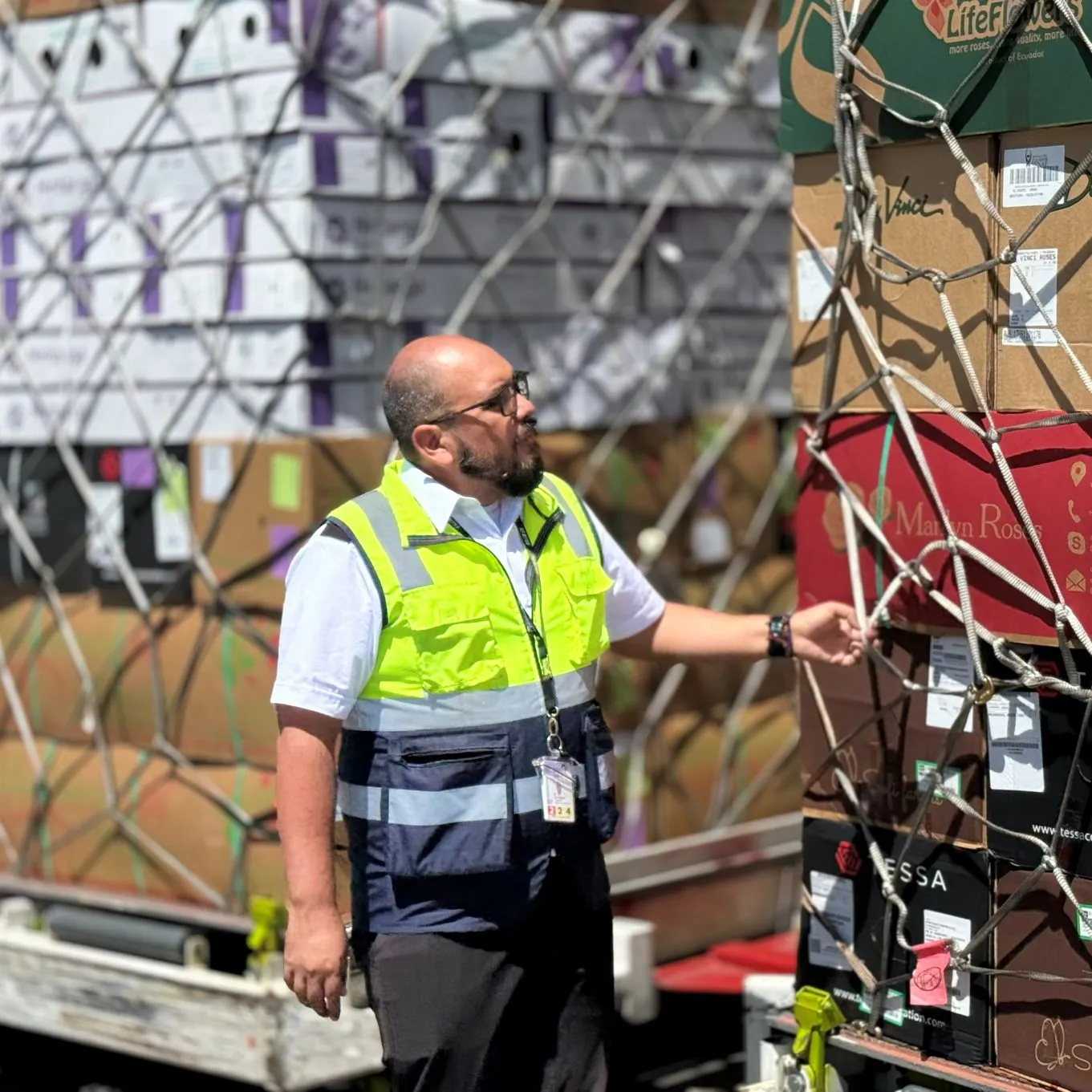
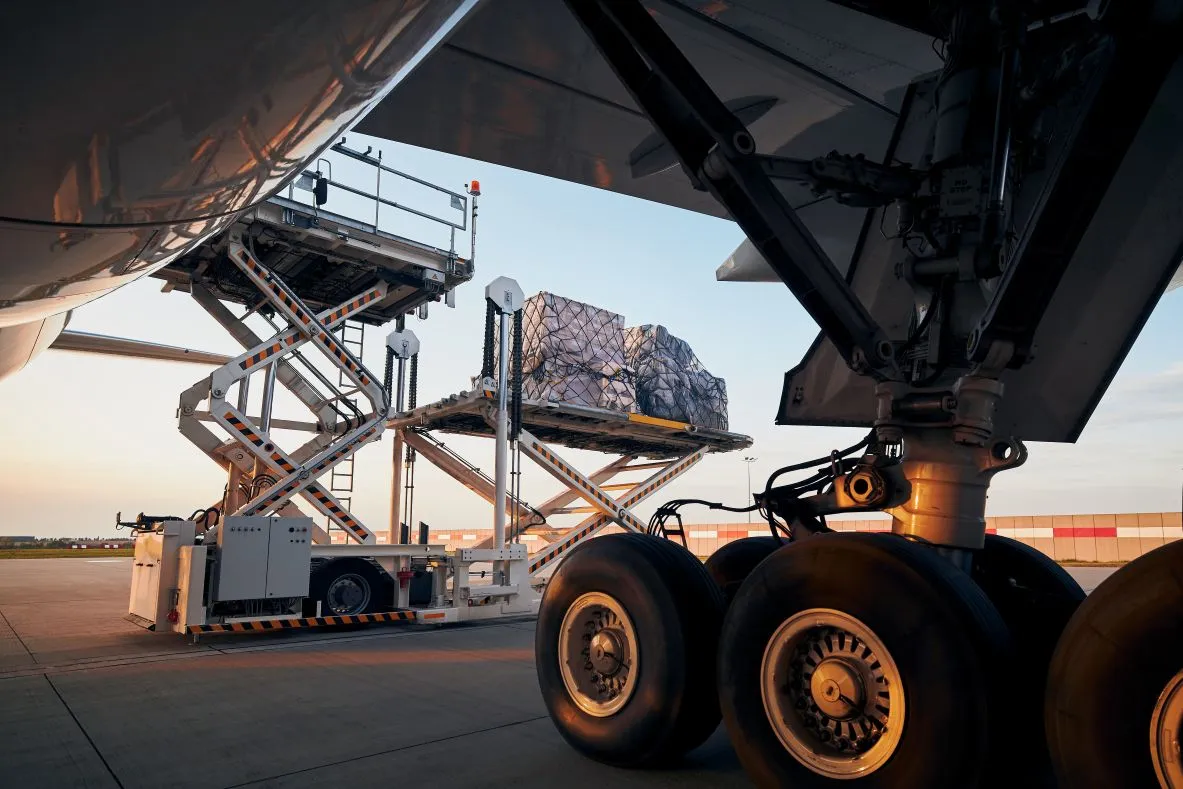
Ground Operations: Where Cargo Representation Creates Operational Value
Connecting Commercial Success with Operational Excellence
Successful airline cargo operations do not end when a booking is confirmed. Delivering a consistent customer experience requires close coordination between commercial teams, ground handlers, warehouse operators, airline operations, customs authorities, and freight forwarders.
This is where professional cargo representation extends beyond sales and becomes an operational advantage.
While the exact responsibilities vary by airline, experienced GSSAs frequently support:
- Booking validation
- Shipment coordination
- Documentation verification
- Customer communication
- Export and import monitoring
- Operational issue resolution
- Coordination with ground handling agents
- Service recovery during disruptions
Rather than replacing operational providers, cargo representation serves as the communication bridge that connects airline commitments with operational execution.
The result is better visibility, faster response times, and stronger customer confidence.
Customer Service Is a Competitive Advantage
Building Long-Term Relationships
Air cargo remains a relationship-driven industry. Competitive pricing may win a shipment, but exceptional service is what earns repeat business.
Modern cargo representation emphasizes long-term customer relationships through continuous communication and proactive support.
Experienced GSSAs regularly assist customers with:
- Shipment planning
- Documentation guidance
- Capacity recommendations
- Commodity requirements
- Flight updates
- Operational notifications
- Post-shipment reviews
Instead of acting only when problems occur, successful representation partners remain engaged throughout the shipping process.
This proactive approach improves customer satisfaction while strengthening long-term commercial partnerships.
Measuring Performance Through Key Performance Indicators
What Should Airlines Measure?
One characteristic that distinguishes modern cargo representation from traditional sales agencies is accountability.
Today’s airline partnerships rely on measurable commercial performance supported by clearly defined Key Performance Indicators (KPIs).
Common KPIs include:
- Revenue growth
- Cargo volume
- Yield improvement
- Capacity utilization
- Customer retention
- New customer acquisition
- Booking conversion rates
- Route contribution
- Specialized cargo growth
- Forecast accuracy
Reviewing these indicators regularly allows airlines and GSSAs to identify opportunities, refine strategies, and improve commercial execution.
Performance reporting transforms cargo representation into a continuous improvement process rather than a transactional service.
Collaboration Across the Airline Organization
Modern airlines no longer operate cargo sales, revenue management, operations, and network planning as isolated departments.
Instead, successful organizations integrate information across every commercial function.
Professional cargo representation contributes valuable market intelligence to:
- Revenue management
- Capacity planning
- Network development
- Marketing
- Customer service
- Executive leadership
Likewise, operational feedback helps commercial teams better understand customer expectations and improve future planning.
This integrated model allows airlines to make faster, better-informed decisions while maintaining alignment between commercial objectives and operational execution.
Artificial Intelligence and the Future of Cargo Representation
Artificial intelligence and predictive analytics are transforming airline cargo management.
Rather than replacing commercial expertise, these technologies enhance decision-making by analyzing large volumes of operational and market data.
Modern AI applications support:
- Demand forecasting
- Dynamic pricing
- Capacity recommendations
- Customer segmentation
- Revenue forecasting
- Booking trend analysis
- Predictive sales planning
These tools allow GSSAs and airlines to identify opportunities more quickly while responding faster to market changes.
As technology continues evolving, successful cargo representation will combine advanced analytics with local expertise and strong customer relationships.
Why Cargo Representation Will Become Even More Important
Several long-term trends suggest that demand for professional cargo representation will continue growing.
These include:
- Expansion into emerging cargo markets
- Cross-border e-commerce growth
- Increasing demand for specialized cargo
- Digital transformation
- Greater use of commercial analytics
- Capacity optimization
- Revenue management
- Supply chain diversification
Organizations such as the International Air Transport Association continue highlighting digitalization, operational efficiency, and stronger collaboration as priorities shaping the future of global air cargo.
These trends reinforce the importance of experienced representation partners capable of combining commercial intelligence with local market execution.
Frequently Asked Questions
What is cargo representation?
Cargo representation is the commercial and operational representation of an airline’s cargo business within a specific market. It is typically delivered by a General Sales and Service Agent (GSSA), who supports cargo sales, customer development, market intelligence, capacity planning, and operational coordination on behalf of the airline.
How does cargo representation help airlines?
Cargo representation enables airlines to expand into new markets, strengthen customer relationships, improve cargo sales, optimize capacity, support revenue management, and reduce the cost of maintaining local commercial offices.
Is cargo representation only focused on sales?
No. Modern cargo representation includes commercial strategy, market intelligence, demand forecasting, customer service, route development, operational coordination, performance reporting, and specialized cargo development in addition to cargo sales.
Why do airlines choose GSSAs instead of opening their own offices?
Working with experienced GSSAs allows airlines to gain immediate access to established customer networks, local expertise, commercial infrastructure, and operational support while avoiding the significant investment required to establish regional offices.
How does cargo representation improve profitability?
By combining market intelligence, customer relationships, revenue optimization, pricing support, demand forecasting, and capacity planning, cargo representation helps airlines maximize revenue while improving operational efficiency.
How BlueX GSSA Delivers Strategic Cargo Representation
At BlueX GSSA, cargo representation extends far beyond traditional airline sales.
BlueX combines commercial expertise, customer development, market intelligence, operational coordination, and data-driven planning to create comprehensive representation solutions tailored to each airline partner.
BlueX supports airlines through:
- Cargo sales management
- Customer acquisition
- Revenue optimization
- Yield improvement
- Capacity planning
- Demand forecasting
- Market intelligence
- Specialized cargo development
- Route development
- Commercial reporting
- Operational coordination
- Long-term strategic planning
By integrating local market expertise with global airline objectives, BlueX helps carriers strengthen their competitive position while delivering sustainable commercial growth.
Rather than functioning as an external vendor, BlueX becomes an extension of the airline’s commercial organization.
Conclusion
The role of airline representation has evolved dramatically over the past decade. What was once viewed primarily as a local sales function has become a comprehensive commercial discipline that influences nearly every aspect of airline cargo performance.
Today, cargo representation combines market intelligence, customer development, revenue optimization, demand forecasting, capacity planning, network expansion, operational coordination, and performance reporting into a unified strategy that helps airlines compete more effectively in global markets.
As air cargo continues to evolve through digital transformation, artificial intelligence, specialized logistics, and increasingly complex supply chains, airlines will depend even more on experienced representation partners capable of translating local expertise into measurable commercial results.
For airlines seeking sustainable growth, stronger customer relationships, higher profitability, and greater operational flexibility, professional cargo representation is no longer simply a support function—it is a strategic competitive advantage.
The future of successful air cargo operations will belong to airlines that combine global vision with trusted local expertise, data-driven decision-making, and collaborative partnerships that deliver value across every stage of the cargo journey.